
United in Recovery: Grassroots efforts and rapid relief aid rural Michigan’s hardest-hit regions
Amidst the wreckage, recovery has begun, spearheaded by nearly 50 Red Cross disaster specialists and a massive grassroots initiative to restore power and provide refuge.
From the storm-scarred corridors of Southeast Michigan to the surging riverbanks of the Upper Peninsula, vast stretches of rural Michigan are currently locked in a struggle against nature.
In the south, communities are reeling from the abrupt violence of nine confirmed tornadoes that struck mid-April, leaving a wake of splintered timber and darkened homes. Meanwhile, in the north, a “historic” fusion of rapid snowmelt and heavy rain has transformed quiet tributaries into looming threats.
The devastation across the state has triggered a State of Emergency spanning 40 counties. But amidst the wreckage, the rhythm of recovery has begun, spearheaded by nearly 50 Red Cross disaster specialists and a massive grassroots initiative to restore power and provide refuge.
Southwest Michigan
In the southwest, the silence following the tornadoes of April 14 and 15 was fleeting. For Chris Letts, proprietor of a local tree service, the focus has remained on a landscape fractured in minutes. His phone hasn’t stopped ringing as his crews labor from dawn to dusk, sawing through the oaks and pines that now drape over rooftops and power lines across rural Allegan County.
In response, United Way has activated its United Response Fund — a standing disaster relief fund designed to rapidly deploy coordinated resources when crisis strikes — in partnership with the Allegan County Community Foundation’s Allegan County Cares initiative.
“When disaster hits a community, the speed of response matters as much as the generosity behind it,” said Becki Postma, who is the chief impact officer for Heart of West Michigan United Way. “The United Response Fund exists precisely for moments like this, to ensure that our community can turn generosity into organized support as quickly as possible.”
In the small city of Otsego, the town’s pulse has shifted to City Hall. With power outages widespread, the hall has opened its doors as a “relief hub” where residents can charge electronics and find comfort in the air conditioning. The recovery here is a curbside mission; neighbors are busy hauling fallen limbs for special city collections, while others work to clear storm drains to prevent further street flooding.
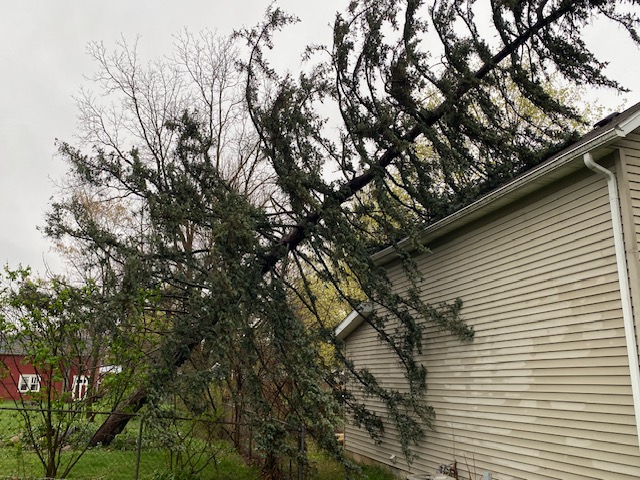
Just three miles east in Plainwell, Public Safety Director Kevin Callahan is watching for a different kind of peril: “second wave” disasters. While crews clear debris, officials are warning residents to stay vigilant against safety hazards from improper generator use and fraud from unsolicited contractors.
“Our community is resilient, and we will recover together,” says Callahan.
Northern Michigan and the U.P.
While the south clears timber, Northern Michigan and Newaygo County are monitoring the riverbanks. In these regions, flooding, not wind, is the critical issue.
Of particular concern in Northeast Michigan is the Cheboygan and Alverno dams and extensive flooding along those waterways and large inland lakes, including Black Lake, Burt Lake and Mullett Lake.
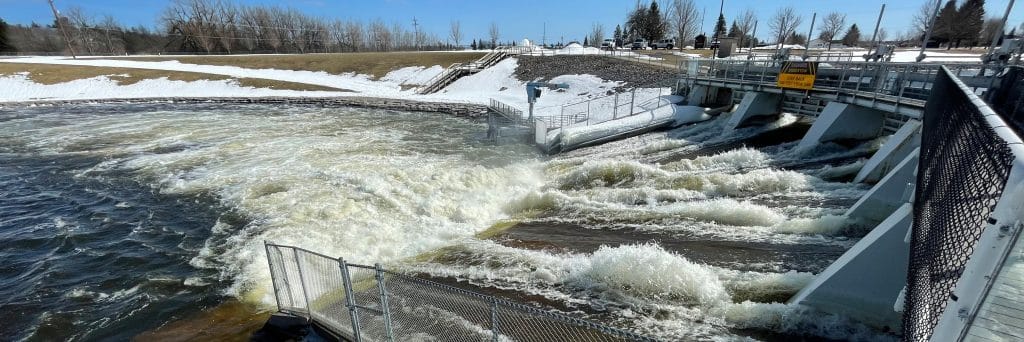
State officials have been working to prevent a breach at the Cheboygan Dam. As of April 23, the water level at the dam was 8.28 inches below the top; that’s 12 inches lower since the previous measurement.
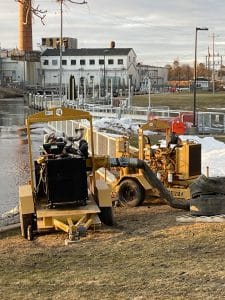
Work at Cheboygan Dam includes sandbags, super sacks and a huge water-filled tube that serves to block or guide water. There also is an array of pumps and grate cleaning equipment to keep debris from clogging gates and inhibiting waterflow, according to news releases from the Michigan Department of Natural Resources and other state agencies.
The DNR continues debris removal operations upstream at the Forks boating access site to prevent debris from floating downstream and clogging the Cheboygan Dam.
“The monumental and successful efforts by DNR staff and cooperators will continue,” said Richard Hill, co-leader of the DNR Incident Management Team. “It’s important to keep in mind there are nearby lakes with high water levels and that water will need somewhere to go.” The Cheboygan River drains into Lake Huron.
The Community Foundation for Northeast Michigan, which serves nine counties in the region, has been accepting applications for grants from its Urgent Needs Fund to support the organizations that have been operating warming shelters and providing support to local communities and residents.
“While we don’t know exactly what types of needs will arise due to the current flooding situation that is now impacting our entire service area, we do know that we will continue to use our Urgent Needs Fund to support nonprofits that are on the front lines of crisis response and that will be supporting our neighbors in recovery from the ice storm and flooding,” said Christine Hitch, who is development and marketing director for the community foundation.
In Newaygo, the Muskegon River became a line in the sand. Authorities issued a blunt ultimatum for those in the floodplain below the Croton Dam: Evacuate now. They warned that as long as such orders and barricades are in place law enforcement would strictly enforce the restrictions.
“It is dangerous,” authorities say, “and we will not endanger our public safety staff in the high flow area of the Muskegon River.”
In the Upper Peninsula, the danger remains “locked” in a record snowpack.
Nick Langlieb, a meteorologist in the National Weather Service’s Marquette office, explained the delicate balance: “We got a lot of snow this winter, and there’s a lot of water locked in that snow. It’s starting to melt, and higher temperatures and any rainfall adds to the runoff.”
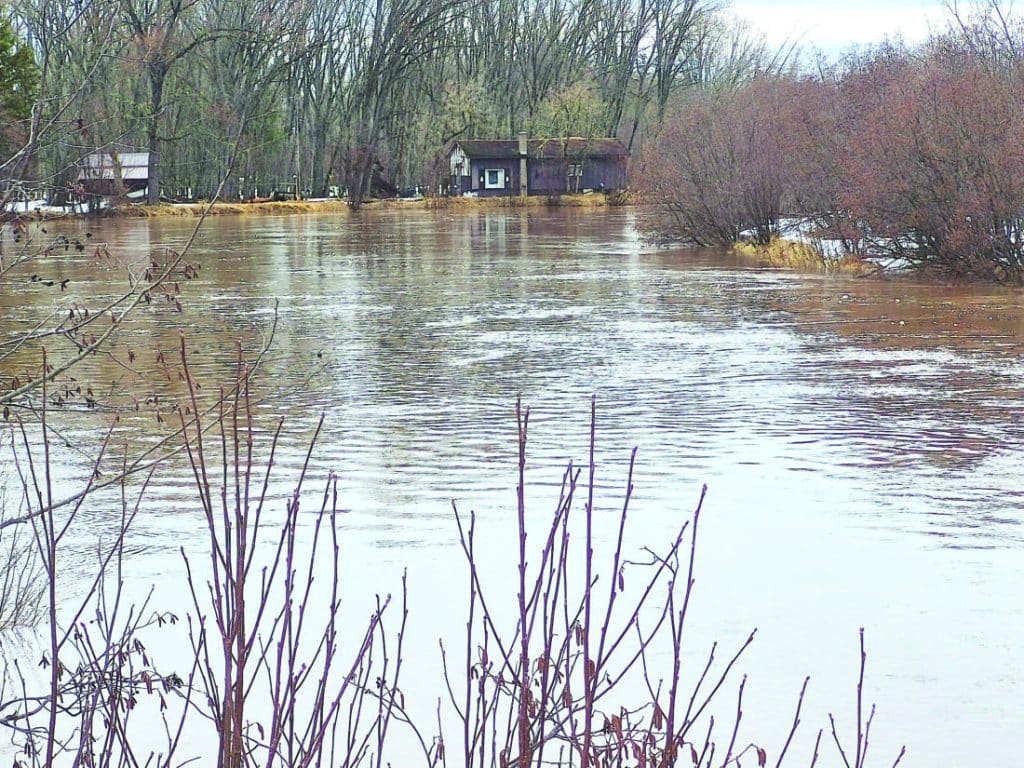
The Sturgeon River recently rose to 11 feet—moderate flood stage. While dry air and freezing night temperatures helped prevent a major catastrophe last weekend, the threat of reaching the 14-foot “major flood” stage remains if temperatures climb too quickly.
In Delta County, some roads have already washed out, while northern Houghton County has struggled with flooded routes due to plugged culverts.
The Shield of Relief
Uniting these stories together is a coordinated relief effort. Nearly 50 American Red Cross workers have fanned out from Grand Rapids to Marquette, providing more than 200 hot meals and opening emergency shelters. In Gwinn, a shelter was briefly opened and remains on standby.
“We have the people and resources to open it again if and when it is needed,” said Michelle Gallagher, executive director of the Northern Michigan Chapter of the American Red Cross. “We’re still there. We’re ready.”
Authorities emphasize that the most critical action residents can take is to self-report damage through the Michigan State Police online tool. This data is the primary way for the state to secure the federal resources needed to rebuild.
Writer Jennifer Donovan contributed to this story.
Related Articles
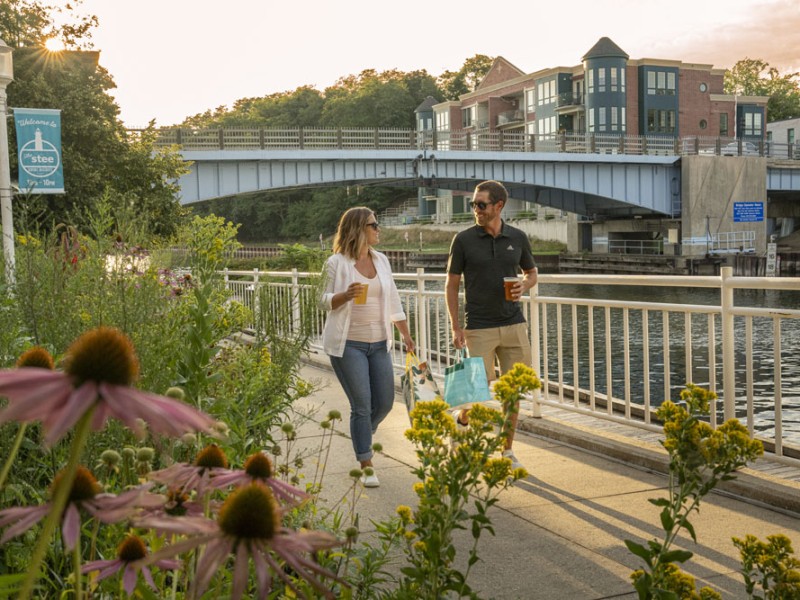
Manistee’s Riverwalk connects history, culture, and community
Manistee County has unveiled over $1.6 million in upgrades to its famous two-mile Riverwalk, enhancing the south bank section with new decking, improved accessibility, LED lighting, historical markers, and wayfinding signage.
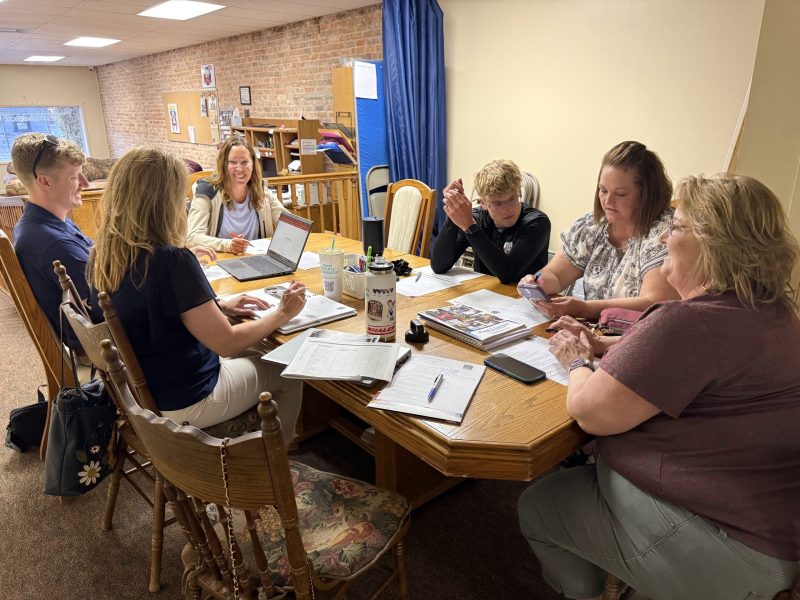
How a rural Thumb community is putting residents at the center of local planning
For the past year, volunteers in Yale have been collecting stories and ideas from residents that organizers hope will eventually shape future community priorities.
CDFIs help rural Michigan communities fund affordable housing, education, and support small business growth
Rural communities often experience a lack of capital access due to bank mergers, or community banks leaving their areas. CDFIs step in to bridge the gap by providing crucial capital, workshops, and referrals to rural communities — funding affordable housing, high-quality education, and community development with small business growth.