Mental health equity: Changes, challenges, and paving a path forward
“Health equity has always been an uphill battle. But without intentional investment and consistency, we risk sliding backward." Marianne Huff
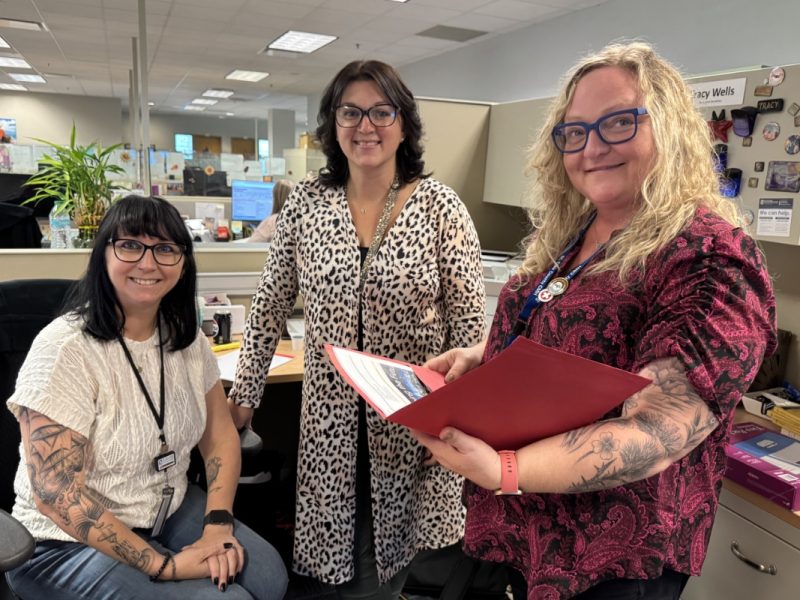
“Health equity has always been an uphill battle. But without intentional investment and consistency, we risk sliding backward." Marianne Huff

People from non-Asian communities may not always understand the cultural factors that impact domestic violence survivors from South Asian and other marginalized communities. Student writer Simran Kaur digs into the issue for our Voices of Youth series.
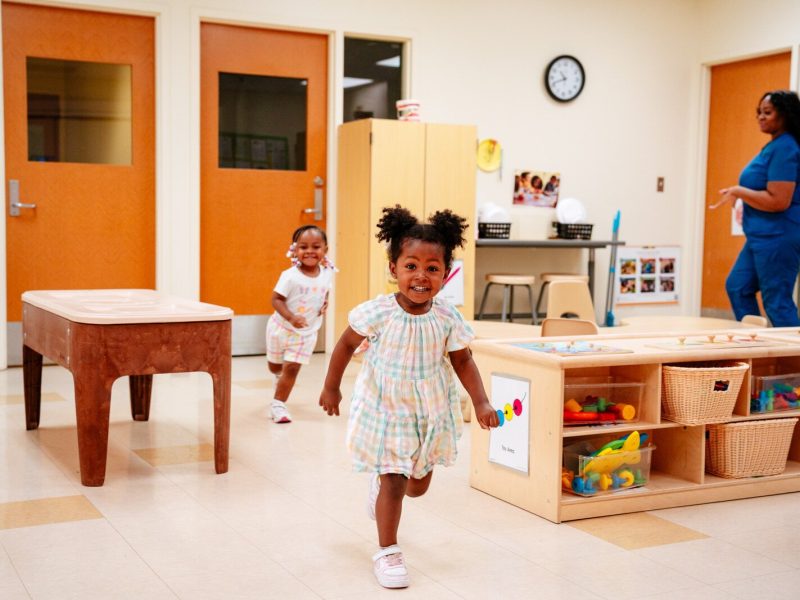
As Head Start marked its 60th anniversary this past May, the program’s legacy stands as more than a historical benchmark. It offers a powerful example of how early learning can drive equity, resilience, and long-term impact.
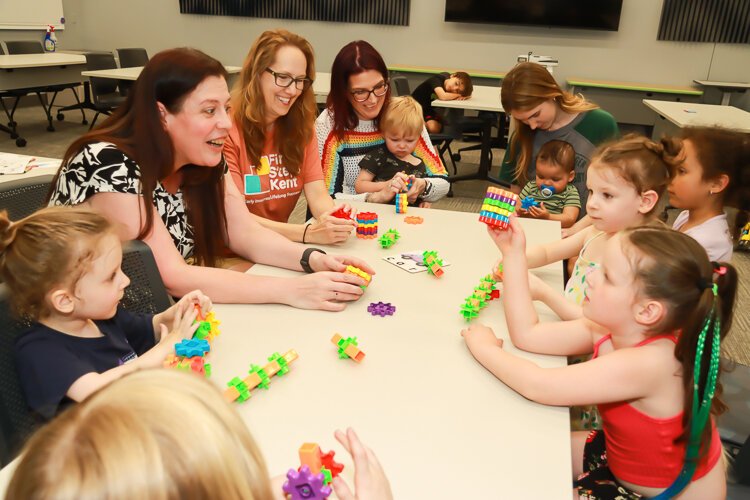
The Inclusive Literacy Alliance is a collaborative, county-wide effort to improve early reading outcomes for children with developmental differences. Parents, educators, service providers, and advocates are piloting solutions that make early literacy more accessible and effective for children who are blind or low vision, deaf or hard of hearing, or autistic.
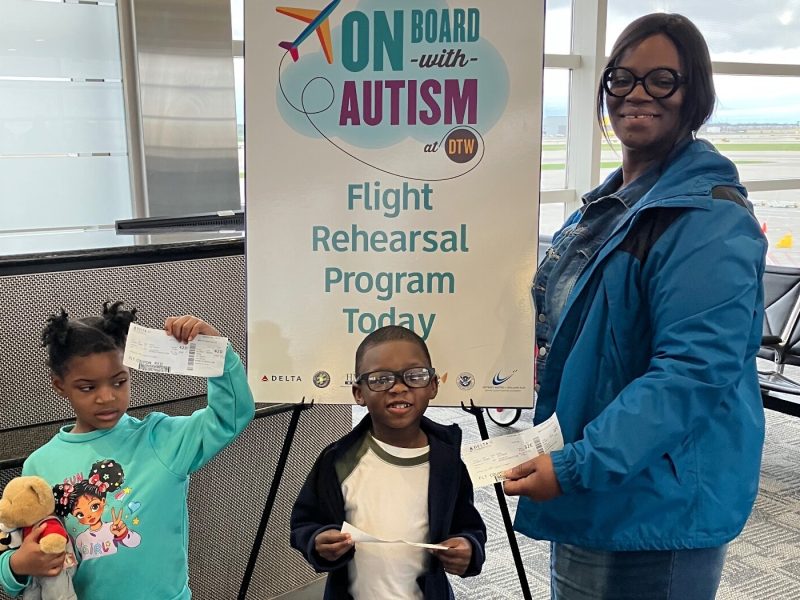
To help autistic people and their families manage these challenges, Autism Alliance of Michigan (AAoM), Delta Airlines, and the Detroit Metropolitan Airport partner to host On Board for Autism events that prepare them to successfully take a flight.

The MI Special Education Finance Reform Blueprint would ensure that Michigan adequately and equitably funds public special education in Michigan.

The Autism Alliance of Michigan (AAoM) Michigan Shines for Autism Gala, its largest fundraiser, will rock Detroit’s Motor City Casino Hotel on April 25, 2025 with “an electrifying evening blending a black-tie event with a rebellious twist.”

The staff of Michigan’s community mental health agencies aren’t sitting at their desks waiting for the phone to ring. They are out in their communities letting people know that mental health care is within reach.
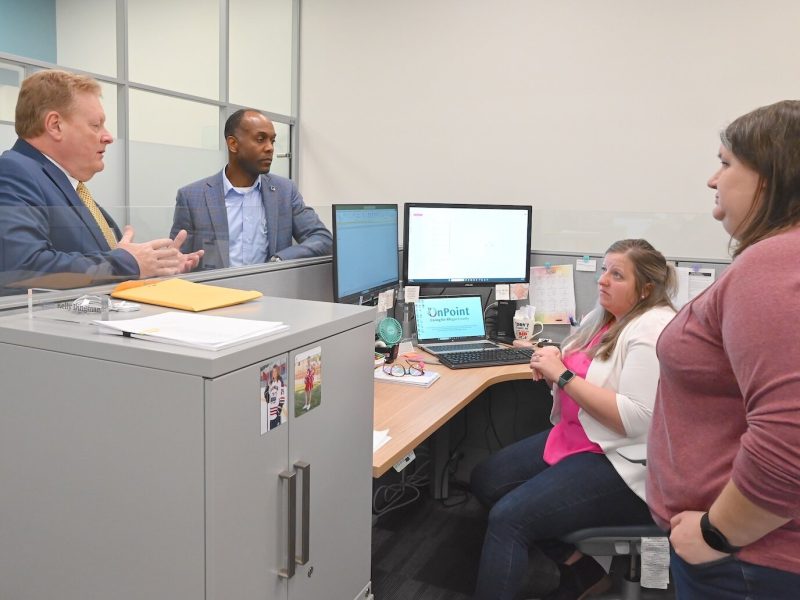
Michigan’s community mental health agencies need more psychiatrists, psychologists, and master’s level social workers, but they also need bachelor’s level social workers, administrative staff, peer support specialists, accountants, and direct care workers — roles that require no college degree or degrees in areas not relating directly to mental health.
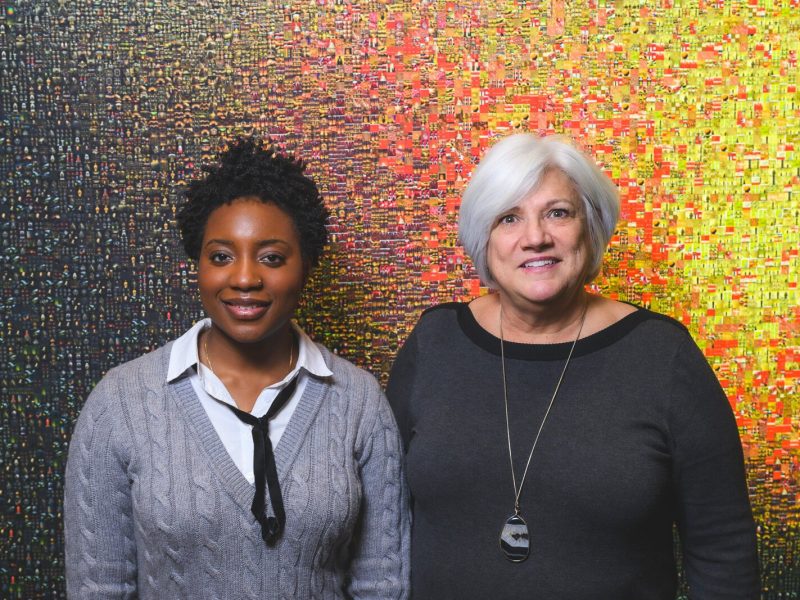
As mental health needs rise across Michigan, state officials, health care providers, and community organizations are focusing on expanding the continuum of care for people in crisis.
Our Partners