Rural Leadership Fellows boost development projects in the U.P.
The program aims to encourage students to pursue careers in the U.P.
There is no one-size-fits-all economic development strategy for rural communities.
So, how can local leaders – including universities, businesses, and individuals in the Upper Peninsula — put rural communities on track to thrive? People are the lifeblood of any community, and a healthy, skilled workforce is the most important factor in attracting and retaining employees (and employers) in key sectors.
The Upper Peninsula faces a challenge: How to keep young people in their communities after graduation? Population decline isn’t the problem as much as population aging; and without younger generations stepping into leadership and community-building roles, small towns risk losing their vitality.
Northern Michigan University began addressing this issue in 2023 by teaming up with InvestUP to create a public-private strategic partnership that promotes immersive, project-based learning while also supporting U.P. economic and community development projects. The vision for this program is to empower students who have an interest in economic and community development and/or public service with a meaningful applied learning experience that can also help to support their career aspirations, hopefully in the Upper Peninsula.
Called the Rural Leadership Fellowship, the program is a paid and scholarship-supported applied learning experience for students interested in rural economic development and public sector careers. Selected students receive a 100 percent tuition and fee scholarship as part of their financial aid package for the duration of their fellowships, and a stipend up to $15,000 to assist with living expenses. They are mentored by an advisory committee of experienced leaders in planning and executing a project in the U.P. that has been identified as a community economic development priority.
The fellowship has been looked at as a triple win for the community. It’s a win for the students as it gives them hands-on experience in an area they care about – it helps them build skills, understand the work in a real setting, and strengthen their resumes. It’s also a win for communities since the projects are evaluated on merit, then matched with student interests to build real capacity. And it’s a win for the region if, through these relationships, students choose to stay after graduation.
Projects selected for the fellowship aim for geographic diversity across the Upper Peninsula and are aimed at what will move the needle significantly for a community or a region while still being manageable to finish within a year. The program has produced several success stories.
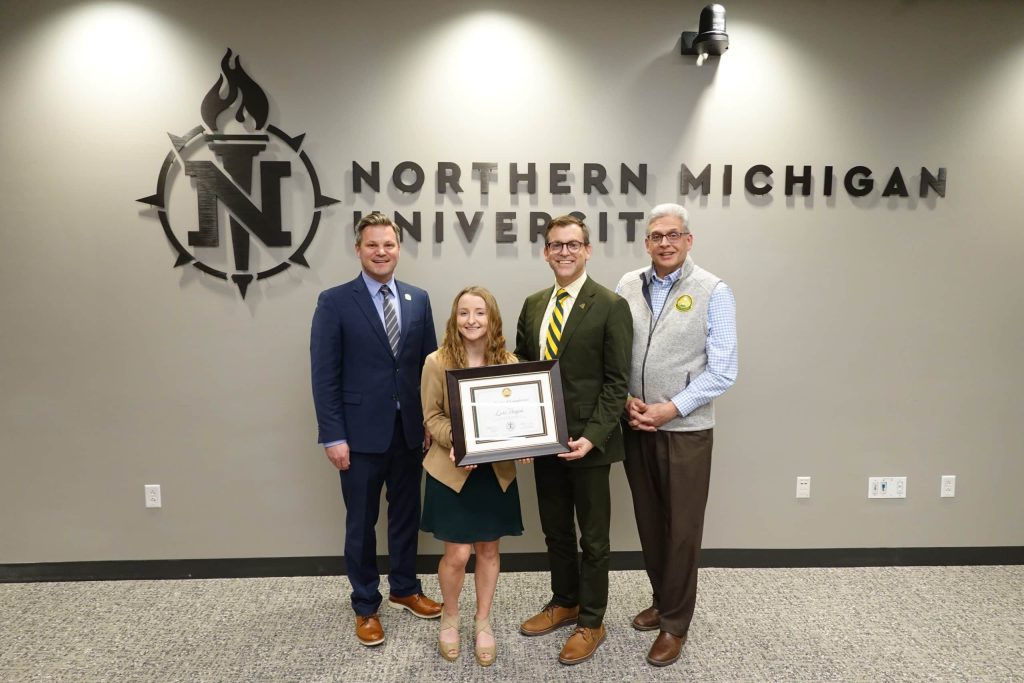
Lexi Hagan, a 2024 Northern Michigan University business management alumna and one of the first NMU Rural Leadership Fellowship Program participants, is the new executive director of the Menominee Business Development Corporation. Her role is to attract new businesses to the area, retain existing businesses, and help them identity available grant opportunities.
As a Fellow, Hagan received a scholarship-supported, project-based internship with the city of Manistique to update its five-year recreation plan in conjunction with the implementation of a Michigan Department of Natural Resources Spark Grant of $800,000 to support city parks’ infrastructure.
“As I continue developing my role, much of my focus has been on laying the groundwork—identifying community priorities, exploring brownfield redevelopment tools, pursuing professional training opportunities, and preparing the county to be ready when new opportunities arise,” Hagan says.
Rachel Raak and Travis Garvey both completed their fellowship projects this summer with the village of Laurium and the Michigan Office of Rural Prosperity, respectively, and both are currently working to complete their graduate degrees at NMU.
During Raak’s fellowship, she supported community development projects, updated the Parks and Recreation Plan five-year plan, and assisted with grant applications for local recreational initiatives — through this work, she is helping to support a major priority for the village, which will enable public funding eligibility to transform public park and recreation sites, such as the Gipp Ice Arena, ball fields, and other public recreation access areas.
Garvey worked with cities and towns across Michigan, helping with projects that filled gaps in resources, supported grant programs, and worked directly with local leaders to plan for growth. Much of his focus has been on laying the groundwork — identifying community priorities, exploring brownfield redevelopment tools, pursuing professional training opportunities, and preparing the county to be ready when new opportunities arise.
David Nyberg, executive director of Business Engagement and Economics Development at NMU, says that student fellows who have excelled in this program have demonstrated curiosity, hard work, and a willingness to leverage and build relationships with the program’s mentor network of professionals as well as their peer fellows. Nyberg was involved in developing the program concept along with navigating the program with academic leadership at NMU, and began the process for developing a fund and implementing the process for launching the first cohort in 2023. He continues to serve as the de-facto administrator of the program, along with support from many faculty, deans, and other colleagues at NMU.
The fellows are creating relationships that are at the heart of economic development– connections matter and community vitality depends on keeping younger generations engaged. Without them, towns can’t thrive. That’s created a sense of urgency behind the program that ties directly to the population shift happening across the region.
“We’re really on a nearly fatal trajectory with what’s happening demographically,” says Marty Fittante, CEO of InvestUP. “It’s not just about losing numbers. It’s about the aging of our population. Every piece of research we’ve done shows the same thing — if we don’t figure out a way to keep young people here, the imbalance will only grow more acute.”
So the answer to the problem NMU is trying to solve continues to come back to the same theme: how does local experience, exposure, and connection lend itself to retaining talent?
The U.P. needs 21- to 39 year-olds to choose to make their home here — if NMU and its partners can inspire students to stay local, choose to plug into communities and bring new vitality, then the future of the U.P. looks bright. Without them, the region risks losing more than just population; it risks losing the next generation of leadership.
“It’s not only about keeping them here, though that’s critical,” Fittante says. “We also want them to become ambassadors. Many don’t fully realize what opportunities exist in rural communities. If students can carry those stories forward, that’s powerful.”
Related Articles
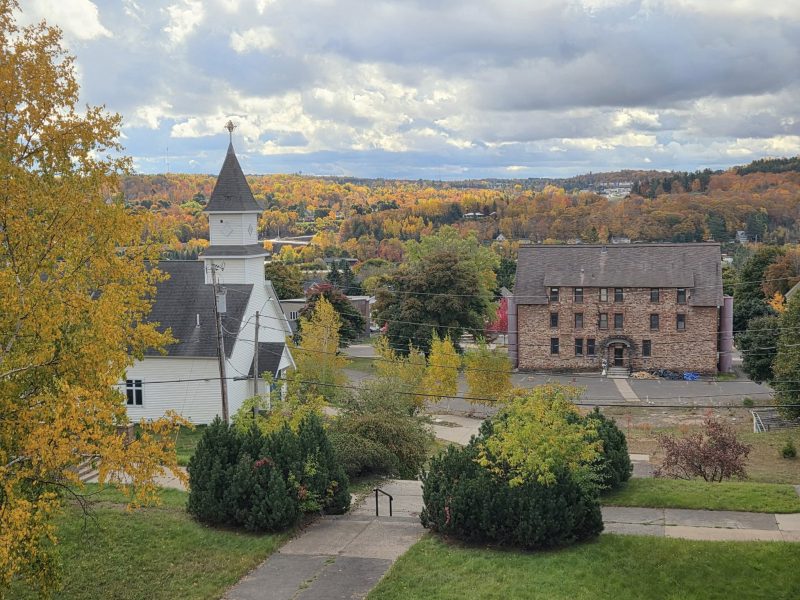
New Life in Old Halls: Transforming Finlandia University’s former buildings for a vibrant future
Most of the university’s buildings have been sold. Some are being renovated into apartments and commercial space. Others will become event venues and a community hub.
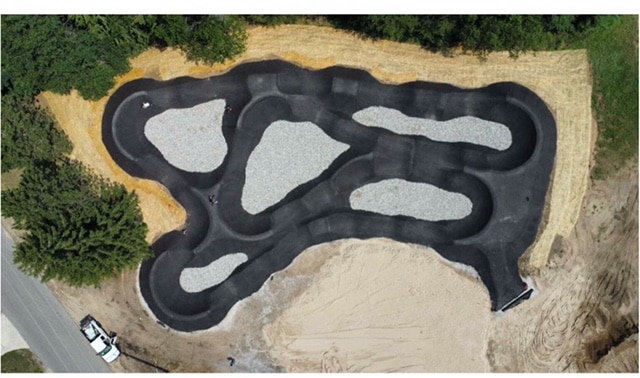
Roscommon’s park overhaul features a rare paved “pump track”
An $820,000 grant from the state’s Land and Water Conservation Fund to the Roscommon Area Recreation Authority funded upgrades to the former Metro Park.
Port Huron Historian turns family roots into community action
For more than a decade, David Brooks, president of Friends of the Fort Gratiot Light has helped preserve one of St. Clair County’s most iconic landmarks through volunteer work, fundraising, and hands-on restoration.