
Ride on! Gift will help fund upkeep of popular Noquemanon Trail Network
Administered by the Community Foundation of Marquette, a new fund will support maintenance of the popular Noquemanon Trail Network.
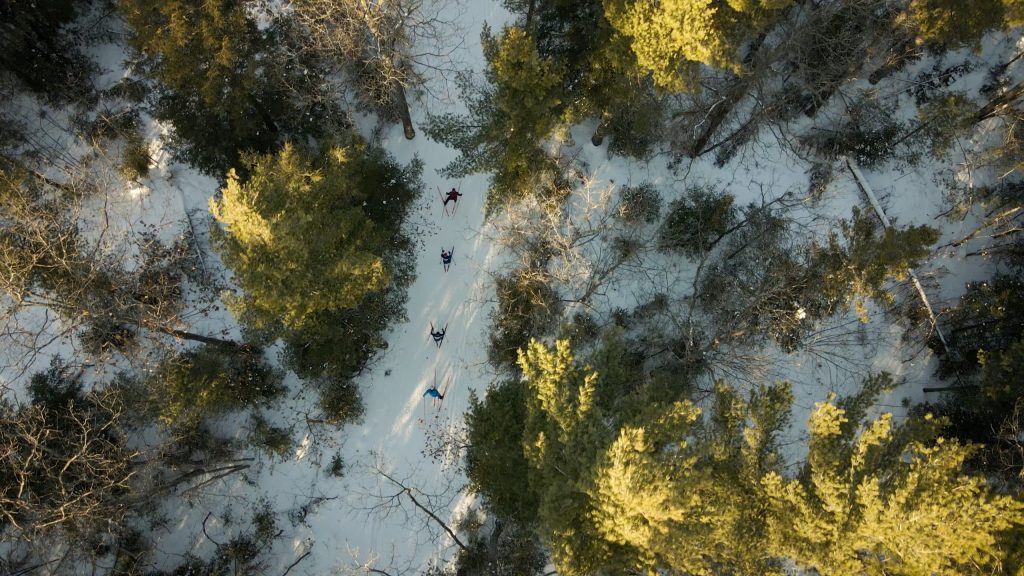
A new endowment fund is slated to fund maintenance of the 150-mile Noquemanon Trail Network (NTN) into the indefinite future.
That’s great news for the hundreds of thousands of hikers, runners, off-road bikers, horseback riders, skiers, snowshoers, canoers, kayakers and other enthusiasts who have traversed the extensive non-motorized public trail system since its founding in 2001. On an annual basis, the trails draw a whopping 450,000-plus visitors, according to a study by Public Sector Consultants last year.
Longtime trail supporters Dr. Cary Gottlieb and Dr. Carol Gamber gifted the money (an unspecified amount) this past summer in honor of their late friend Rob Schmeling. When invested, returns are expected to pay for regular trail upkeep so the non-profit NTN can instead focus on fundraising for other trail projects and improvements, reports NTN Outreach Coordinator Jeni Kilpela. The Community Foundation of Marquette is acting as administrator.
The new monies won’t enormously impact the NTN’s overall budget, notes Kilpela, but it’s particularly valuable to the organization because the benefactors didn’t earmark it toward a particular project. That allows the NTN to use it to pay for the regular maintenance and repair necessitated by heavy usage, weather, age and other factors affecting the trails, plus upkeep of and insurance for the multiple machines needed for grooming, cleanup and construction.
Kilpela notes that new endowment funds also tend to spur donations from other sources.
Such gifts can be crucial since the NTN receives no state or federal funding aside from sporadic governmental grants. It’s also unable to charge users for passes because — in an unusual setup for such publicly used resources — it owns none of the land encompassing the trails, instead borrowing it rent-free from more than 40 different entities. As such, it’s reliant on income from ongoing business partnerships, donations and income from special events to manage the trails. In 2023, its annual budget was reportedly $1.49 million.
“What we have is a world-class trail system,” Kilpela explains. “And in order to maintain that, we need funds.”
Much-used natural resource creates $41.5 million impact
First formed as a group of volunteers interested in maintaining local trails after state funding became scarce, the NTN grew stronger after 2001 when the city of Marquette bought 2,243 area acres and earmarked part for multi-use trails, according to a Michigan Municipal League report. Since then, the five-employee nonprofit led by a volunteer board of some 18 people — and supported by thousands of volunteer hours each year — has grown into a region-wide effort aimed at funding, building and protecting the trails and optimizing the visitors they attract as a driver of business for local economies. A tourist base that used to hail primarily from the Midwest now comes from all over the U.S., Kilpela notes. And overall trail usage rose 20 percent during the Covid epidemic.
Those efforts have clearly helped; Public Sector Consultants data logs such visitors as having a $41.5 million impact on the regional economy and supporting 395 jobs over time.
The entities that own different portions of the trail range from Northern Michigan University to businesses, individuals and municipalities, all of whom legally agree to let the NTN use their land for free. That can require constant reinforcement of community relations, Kilpela says.
Asked about recent improvements made to the trails, she points to a new pavilion built by a NMU construction management class and new trails on the west end of the south trail system. On the NTN’s wish list: more beginner-friendly trails throughout the network.
Used year round, the trail system doesn’t really have a slow season, she says.
“People think when summer’s over we have downtown,” she says. “I always kind of chuckle, because I don’t know when this downtime exists. We’re always getting ready for new people, and we’re never sitting around”.
A formal analysis of the trails known as The Greater Marquette Region Strategic Trails Plan 2024 concludes that greater trail usage, greater resource demands, increasing land sales and nearby housing construction could threaten NTN accessibility in the future, calling for “a shared vision from multiple stakeholders” to protect the space.
Tribute to a friend
U.P. residents Gottlieb and Gamber, a married couple, wish to “remain in the background” in making the gift, says Zosia Eppensteiner, CEO of Community Foundation of Marquette County.
“We could think of no better way to honor Rob’s memory than helping support the woods and trails he loved,” the couple said in a statement.
Schmeling, 76, was an engineer who worked for the Michigan DNR and Michigan DEQ until retirement. The eight-time Ironman Triathlon finisher often trained for his races in the rural UP.
Asked what makes the NTN so beloved to users, Kilpela points to its multi-faceted appeal.
“The abundance of natural resources is incredible in our area. When you come here not only do you get world-class trails, but when you’re done the most amazing downtown and surrounding towns. You get to see breathtakingly serious views — Sugarloaf Mountain, Hogback Mountain, waterfalls. Not to mention, you’re next to the greatest lake in the world. I wouldn’t live anywhere else, so I get why people want to come and play here.”
Related Articles
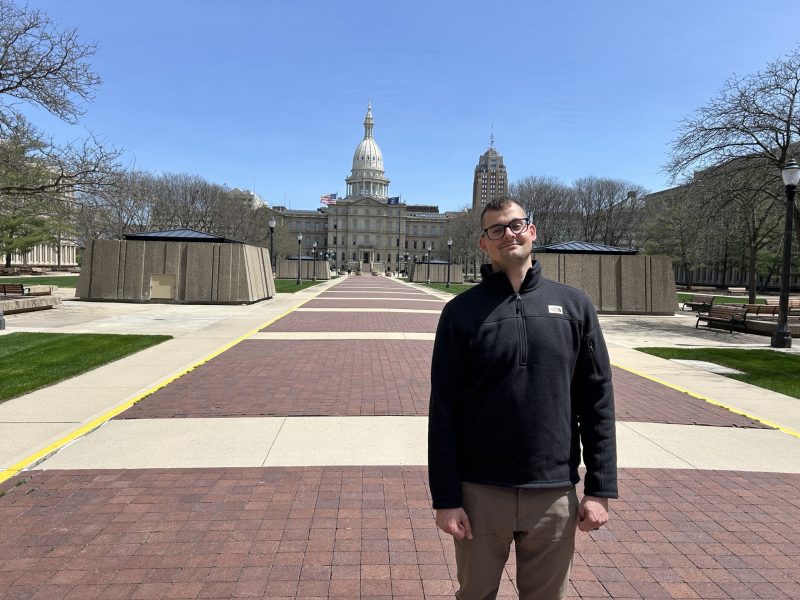
How one local environmental expert helps protect Michigan’s aquatic systems
As an environmental quality analyst with the state and a volunteer with the Chippewa Watershed Conservancy, Blake Cahill blends science, service, and community engagement to safeguard native ecosystems and reconnect people with the natural world around them.
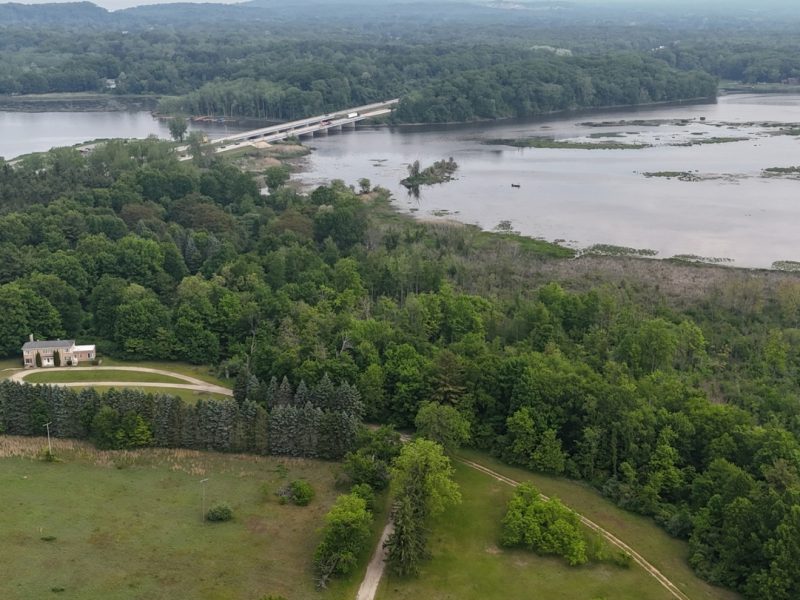
Grant to township secures Riverside Park preserve along Kalamazoo River
Saugatuck Township receives $2.46 million to protect 119 acres, expand recreation, and preserve rare Kalamazoo River wetlands.
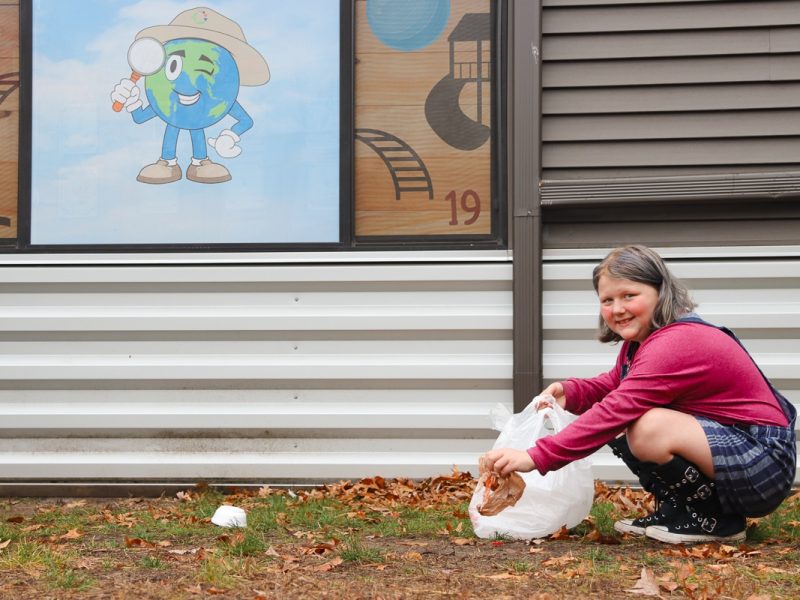
Sixth grader featured on Kelly Clarkson Show inspires community cleanup
Zoey Tice, a sixth-grader from Muskegon who is passionate about picking up trash, recently impressed Kelly Clarkson, who is sending her to Jamaica to help with an environmental project.