
Free trees offered to help clean up water on six Southwest Michigan lakes
A pilot program offers shrubs and trees for lakeside planting in Southwest Michigan.
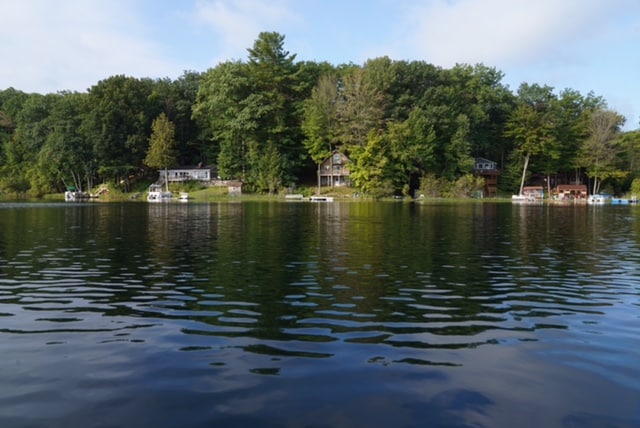
The Van Buren Conservation District and Michigan Lakes and Streams Association are offering to plant 4,900 trees and shrubs around six inland lakes in Southwest Michigan, courtesy of a pilot grant program for lakeside landowners.
In addition to reducing runoff and improving the quality of water in lakes and streams, the plantings add wildlife habitat, create privacy for lots, and can replace aging trees.
The inland lakes selected for the program are: Round, Gravel, and Eagle lakes in Van Buren County and Harwood, Birch, and Baldwin lakes in Cass County.
What’s happening: The Van Buren Conservation District and Michigan Lakes and Streams Association are partnering on an innovative U.S. Forest Service grant-funded project to plant native trees and shrubs along densely populated lakes and their upstream watersheds in southwest Michigan. These are not the little bare-root twigs of many free tree programs. Depending on nursery availability and species, “we’re hoping in general for trees that are about 4-5 feet tall,” says Erin Fuller, water quality project manager | Van Buren Conservation District. Contractors will plant the trees and shrubs by shovel, after consulting with landowners about placement.
When will planting occur: The first round of trees will be planted in October or November, Fuller says. “We anticipate that the project will continue,” she says, with future plantings in spring and fall, 2026 and spring 2027. There are about 104 named lakes in Cass County and 132 in Van Buren and Cass counties. Fuller says lakes were chosen for this pilot project based on a number of factors, including landowner interest and the potential for impact. “These lakes are pretty densely populated and more tree cover will help offset that human impact,” Fuller says. “We’re working with a specific set of lakes for this pilot project, but we may write another grant to expand to others in the future if this is successful.”
How do trees help water quality: Trees and shrubs enhance lake front properties, providing beautification and habitat for birds and pollinators in addition to water quality improvements such as filtration of nutrients and cooling shoreline waters. Studies show that combining trees with natural landscaping can reduce storm runoff by up to 65 percent, with some areas retaining 100 percent of rainfall on-site. Trees improve water quality both above and below the ground. Tree canopies break the impact of rainfall and roots reduce erosion. In addition, they filter pollutants in stormwater runoff and help hold water in the soil, to replenish groundwater rather than running off into surface water lakes and streams. Trees along the edges of lakes act as a natural buffer to protect water quality from sediment and other pollutants.
Available trees and shrubs: Although availability is not guaranteed— nursery stock will determine availability and requests will be fulfilled in the order received— species chosen for this project include: Red Osier Dogwood (shrub); Black Willow (shrub); Spicebush (shrub); Ninebark (shrub); Nannyberry (shrub); Highbush Cranberry (shrub); Redbud (tree); Tulip Poplar (tree); Red Maple (tree); Sugar Maple (tree); White Oak (tree); Speckled Alder (tree); Sycamore (tree); Cottonwood (tree); Yellow Birch (tree); and Hackberry (tree).
Who’s footing the bill: The program is funded by a grant written by the Van Buren Conservation District with the Michigan Lakes and Streams Association and several other partners, Fuller says, specifically for Van Buren and Cass counties. The total grant amount for the two-year project is $300,000, which includes staff time, outreach events and materials, signage, travel, etc.. Of that, about $125,000 is allocated to purchase the trees and pay the contractor for planting. This collaborative project is supported by key partner organizations including the Michigan Natural Shoreline Partnership, the Michigan Department of Natural Resources, Michigan Department of Environment, Great Lakes, and Energy, Michigan State University Extension, and the St. Joe River Basin Commission. This project is made possible by a Great Lakes Restoration Initiative grant through the Forest Service, U.S. Department of Agriculture.
What’s next: Private property owners on these six lakes who are interested in having trees or shrubs planted on their property at no cost are encouraged to submit a brief interest form. Interested participants also are invited to attend a seminar hosted by the Michigan Lakes and Streams Association from 5 p.m. – 8 p.m. Tuesday, September 23 at Porter Township Hall in Van Buren County. Presenters will include Julia Kirkwood of the Michigan Department of Environment, Great Lakes, and Energy and Erin Fuller of the Van Buren Conservation District.
RSVP by emailing Melissa DeSimone at melissa.desimone@mymlsa.org.
Related Articles
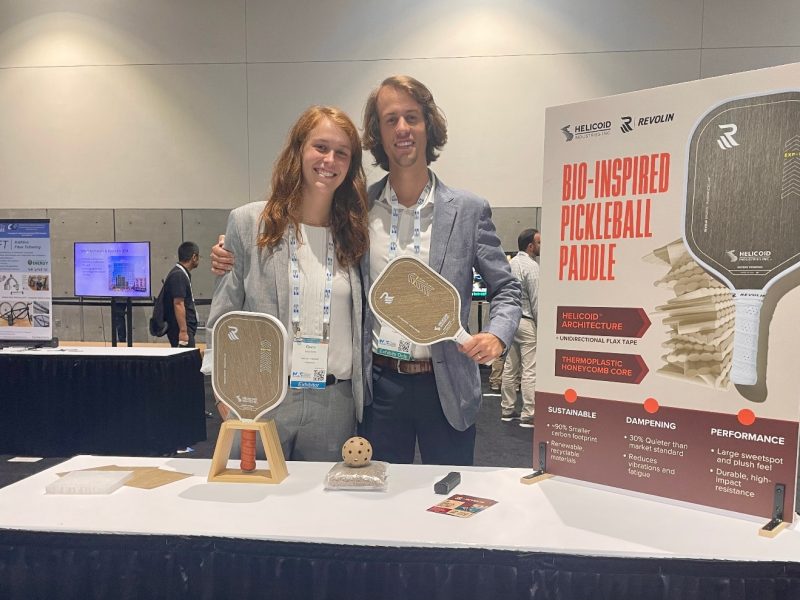
Revolin Sports turns sustainable vision into award-winning Holland pickleball company
From teenage tinkering to statewide recognition, Revolin Sports proves high-performance pickleball gear can also advance sustainability and circular design.
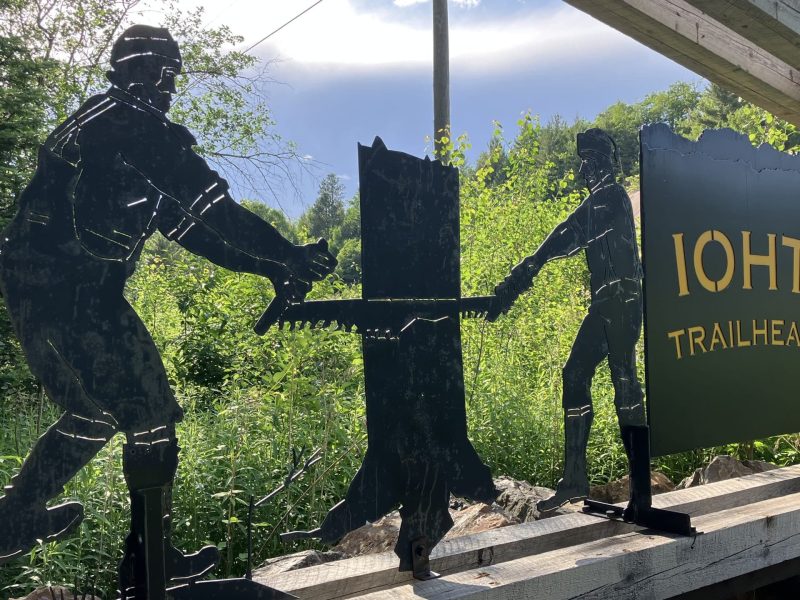
Building a Legacy: New endowment fund helps secure the future of a popular recreational trail in the U.P.
Marquette residents Bill and Dea Danly worked with the Community Foundation of Marquette County to establish the fund.
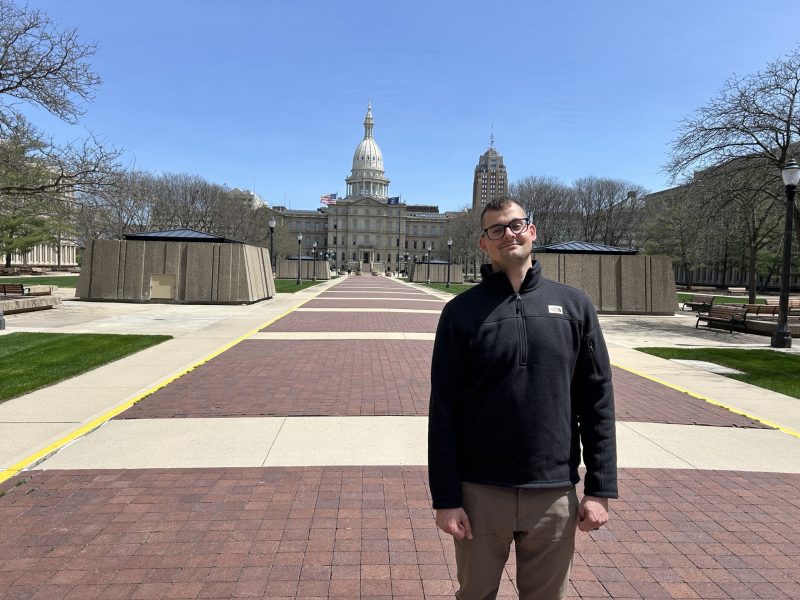
How one local environmental expert helps protect Michigan’s aquatic systems
As an environmental quality analyst with the state and a volunteer with the Chippewa Watershed Conservancy, Blake Cahill blends science, service, and community engagement to safeguard native ecosystems and reconnect people with the natural world around them.