
From Pews to Pints: Why some rural Michigan churches are reopening as breweries
The desire to keep existing churches and historical buildings intact has motivated and inspired a number of Michigan’s 400 licensed brewery owners.
When Sarah Nault was a girl attending church at St. Paul’s Evangelical Lutheran Church in Bark River, near Escanaba, she never imagined that one day she and her husband Brad would transform the building into a thriving brewery.
But The Church Brewery in Bark River has been open for more than a year and – let’s say – skeptics have been converted.
“Ninety nine percent of the community loves us,” Nault said. “A couple of neighbors were resistant, but everything has calmed down. I knew it would work but it would take time for people to wrap their heads around it.”
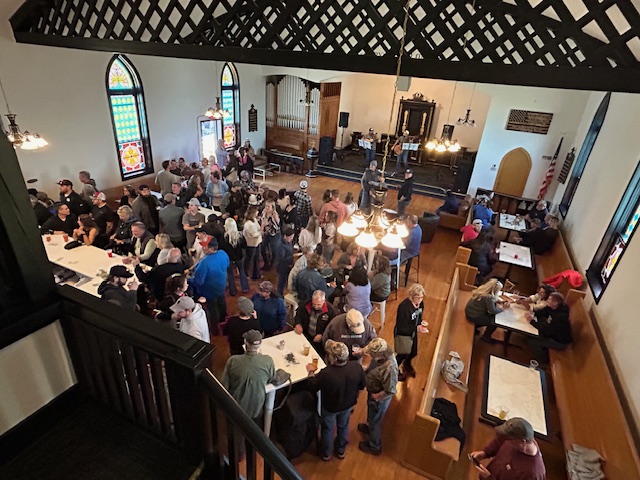
The Naults had been looking for a space to open a brewery when the church went up for sale. Congregation membership had dwindled during the pandemic and the church eventually closed.
That closure compounded the need for a community gathering space.
“Because we are so rural, still having the building in use in the community and providing a place for our community to go hang out and have a beer is important,” Nault said. The brewery hosts acoustic musicians and events like puzzle competitions.
Preservation
The desire to keep existing churches and historical buildings intact has motivated and inspired a number of Michigan’s 400 licensed brewery owners.
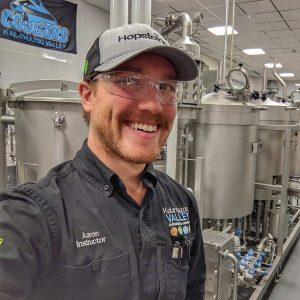
Aaron Ross, a brewing instructor for Kalamazoo Valley Community College who serves on the board of the Michigan Brewers Guild, estimates that five to eight percent of Michigan breweries are established in former church buildings or other historic spaces.
Breweries housed in former churches (of all denominations) can be found in many rural Michigan communities, including New Buffalo, Saline, Bay City, DeWitt, Grand Ledge and outside Escanaba. The state’s big cities have them too.
“I think there’s some innate draw to breweries in churches,” Ross said. “Many of the first breweries were in monasteries.”
The trend may be particularly strong in Michigan, where breweries often become the primary anchor for rural towns and small communities, observers said. These spaces do more than just serve beer; they act as multi-functional community hubs that preserve local history while driving tourism.
Ross said beer drinkers are looking for an experience when they go out. “Placemaking is huge,” he said. “Having a place that’s memorable is what keeps people coming back. It’s so much more than beer.”
Ross noted that the world’s oldest operating brewery, Weihenstephan, was established in Germany by monks – originally, beer was used to coax church goers into attendance.
Ross tells his beer-making students that they’re in the community-building business.
“Community is at the forefront,” he said. “We’re in the business of bringing people together.”
Sanctuary
Jeremy Horn, general manager of Sanctuary Spirits Distillery and Brewing in Grand Ledge, agrees.
Located in a former Seventh Day Adventist Church building, Sanctuary offers a number of events and entertainment offerings to cultivate repeat customers.
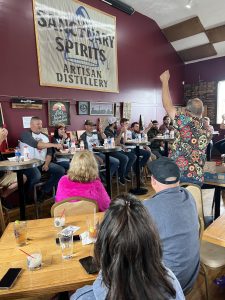
Co-owners Karl Glarner and Tolin Annis bought the building when the church closed in 2008 and they opened an event venue and microbrewery. Their venture expanded into its current form in 2013 and has continued to morph to meet community interests.
“One thing we’ve seen is that people depend on bars for entertainment,” Horn said.
Trivia nights, crafts events, euchre and stand-up comedy, a record swap meet and a hot pepper eating contest are a few of the offerings that are on the calendar for Sanctuary patrons to enjoy.
Excellent craft beer, spirits and food are also a big draw, Horn said. Sanctuary staff also embrace sustainability by serving deli meats that are shaved locally every day and using apple mash provided by a nearby orchard.
Next Quest Brewing
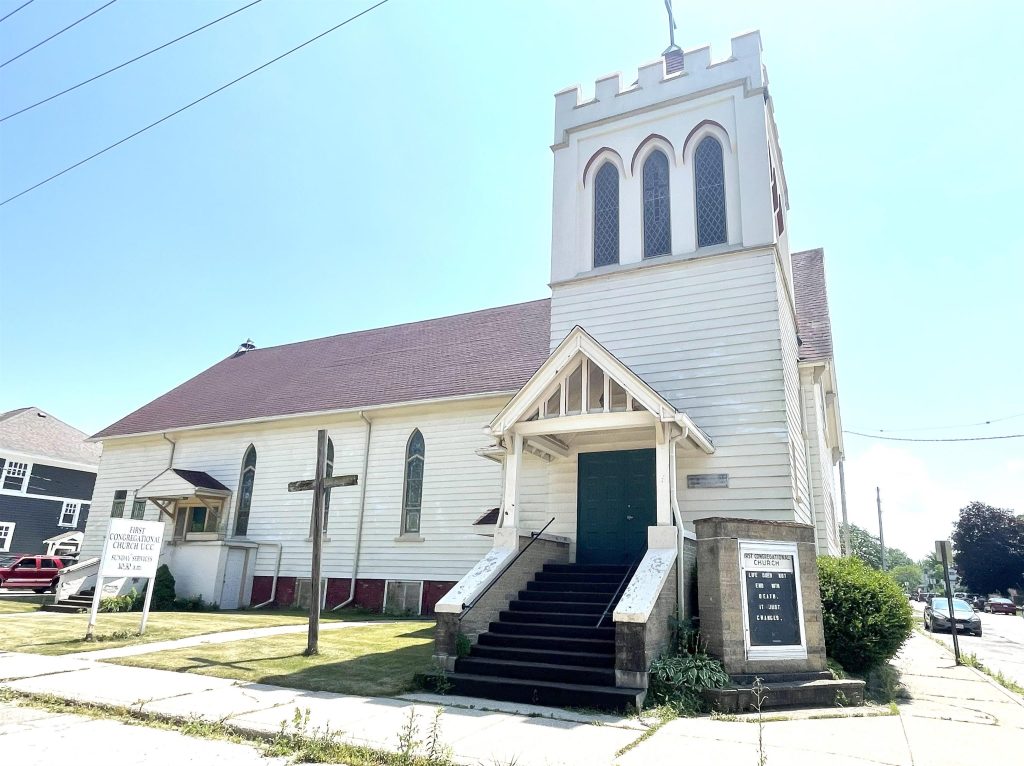
In Bay City, Zeke and Stephanie Carylon are renovating the former First Congregational Church into Next Quest Brewing, with a planned opening in June for the summer solstice weekend. Buying an existing building saved on start-up costs and sped up the process, they said. “We weren’t looking to spend $5 million to open a brewery,” Zeke Carylon said. That’s why the vacant church made sense.
“We liked the breweries in churches that we’ve visited and we kind of had a theme in mind,” said Stephanie Carylon.
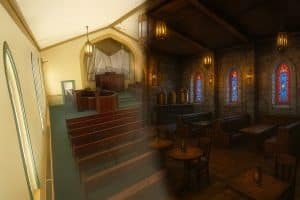
She is doing much of the redecorating and plans a medieval-styled atmosphere that will complement the existing ornate stained glass windows.
“The community support has already been great,” Stephanie said. “Lots of people are excited because we’re within walking distance for them.”
There will be 20 beers on tap. Hard cider and some mixed drinks will also be available, as well as mead and foods like shepherd’s pie, chicken pot pie and turkey legs that would have been popular in medieval times.
“We’ll be serving foods that would have come in by ship,” Stephanie explained. She also plans to donate a quarter of the brewery’s profits to charity.
Carylon is aware of community needs and will donate to charities on a rotating basis. She said she’s just doing what other beer lovers would do. “I think beer is community-minded,” she said. “Beer is a giant community that brings everyone together.”
Ross said he thinks everyone needs a destination where they can decompress and for many people, that’s a brewery.
“I think a brewery, for many people, is the third place. You have work, home and third place. Having a third place is really important for your mental health. That’s why breweries are important spots that are held dear to a lot of people,” he said.
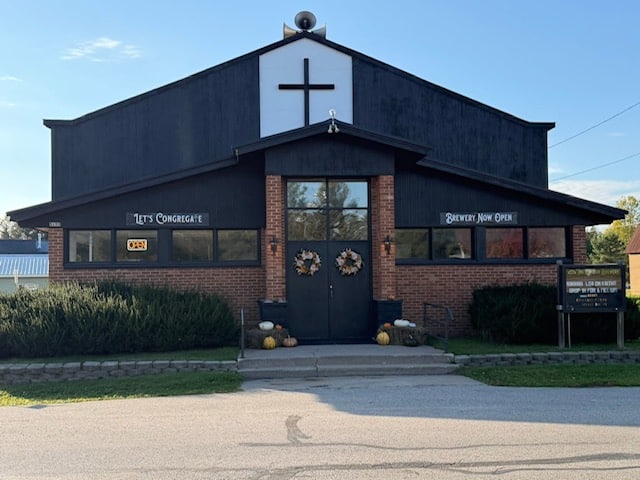
The Naults both have full-time jobs away from the Bark River brewery and their two high school-aged daughters keep them busy. Brad Nault does the brewing and the couple contracts out for part of the process.
A banana cream ale, Grandma’s Banana Cream Pie, is one of Church Brewery’s most popular beers. A Communion flight and Vacation Bible School vanilla bean stout are also favorites.
“People really love our beer,” Nault said, noting that they’ve experimented with flavors to appeal to a small community that’s not used to craft beer.
Preserving the church’s rich interior décor was also important to Nault.
“It was super important to me to not really change the style,” she said. “I wanted to stick to the beauty and elegance that has been there since the 1930s.”
Converters
St. Ignace resident and pastry chef Susan Treadway enjoys traveling, discovering new venues and sampling craft beers.
“As a huge proponent of the craft brewing community, I find it especially interesting when a church is converted to a brewery,” Treadway said.
The concept, she noted, embraces the entirety of the craft brewing model.
“There is attention to detail, fellowship, community engagement and a loyal following of patrons. The atmosphere is much more than a bar; it’s an experience whether spiritual or not, that brings people back looking to repeat it.”
Related Articles
Nearly $300K in Seed Awards bolster Michigan’s local food and farming
Nearly $300,000 in Seed Awards from the Michigan Good Food Fund will support 18 food and farm businesses across Michigan, helping small, locally rooted operations grow and improve food access.
Restaurant finds a home in central Michigan after a nationwide search
Co-founders Chris Houlette and Bob Godich bring all-day breakfast and lunch, award-winning experience, and long-term vision to the former Dozer’s location at their new Outskirts Cafe.

Young entrepreneur launches U.P.-inspired skate and streetwear
The company creates clothing and skate deck signs that reflect Aidryk’s style and creativity.