
History Secured: Michigan’s newest National Register sites
Many of the historic sites can be found in the state’s more rural communities.
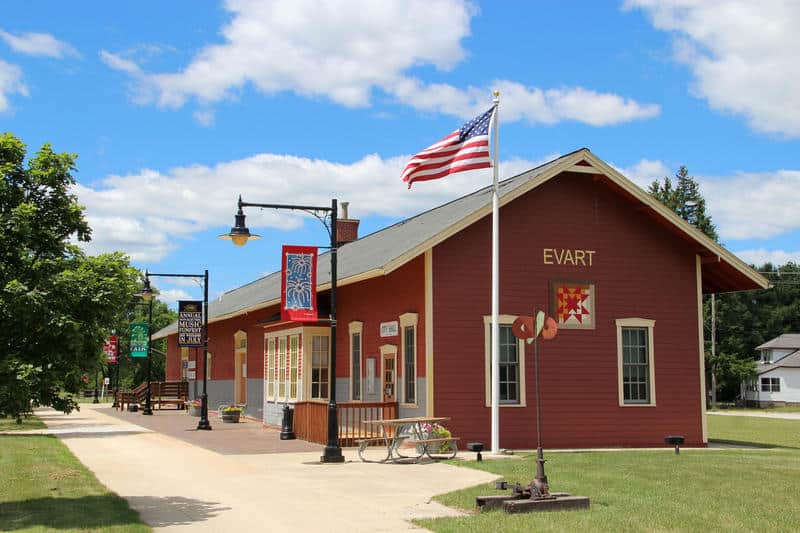
What’s happening: Thirteen Michigan properties were listed in the National Register of
Historic Places in 2025, and many of the historic sites can be found in the state’s more rural
communities. Their successful listings in the Register provide property owners new
opportunities for historic preservation work, earning access to exclusive and elusive grants, tax
credits, and more.
Which and where: Successfully entering the National Register in 2025 were a cohort of eight
distinct properties and five historic districts. Those properties include the Dearborn Country Club
in Dearborn; the St. Mary of Redford Catholic Church complex in Detroit; Flint’s Marian Hall; the
C.W. Marsh Company Building in Muskegon; and the Nichols Hotel in South Haven. Northfield
Township earned three separate listings due to its rich, rural history, a group that includes the
Bessert-Ryan House, German Park Recreation Club, and the Joshua and Nancy Leland House.
Entire historic districts registered in 2025 include the Alpena Central Historic District, Charlevoix
Central Historic District, Evart Downtown Historic District, Auburn Hills Historic District, and
Ferry Street Historic District in Niles.
How they did it: Many of the successful nominations were supported by various state and
federal grants and incentives. Communities and property owners benefited from collaborating
with the State Historic Preservation Office (SHPO), which helped identify and secure support
through their own programs like the Resilient Lakeshore Heritage Program as well as outside
incentives like the National Park Service’s Paul Bruhn Historic Revitalization Grant Program.
What they’re saying: “The CLG (Certified Local Government) grants have allowed us to ‘put
Northfield Township on the map,’” says Jennifer Delisle of the Northfield Township Historical
Society. “We are a small, rural township, and the two grants have allowed us first to survey
many historic properties in the township, and second to not only prepare the applications to
nominate four properties (a house, a farm complex, a church, and a recreational park) to the
National Register of Historic Places, but to make it easier for other property owners (including
me) to nominate their historic properties under the umbrella of the Multiple Property
Documentation Form. Three other properties identified in the survey have also been listed in the
National Register, shining a light on the unusual number of intact, high quality, but perhaps
overlooked historic resources that can be found in our little township.”
Related Articles
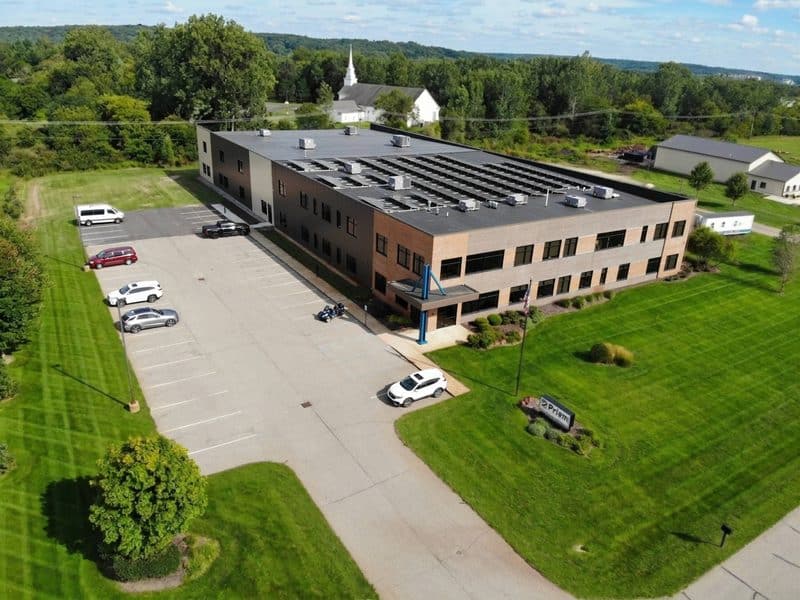
Prism Controls to invest $3.8M and create 28 jobs in Vergennes Township expansion
Prism Controls is investing $3.8 million to double its agricultural technology manufacturing facility in Vergennes Township, a five-year expansion project that will create 28 high-paying jobs and is supported by a $210,000 state grant.
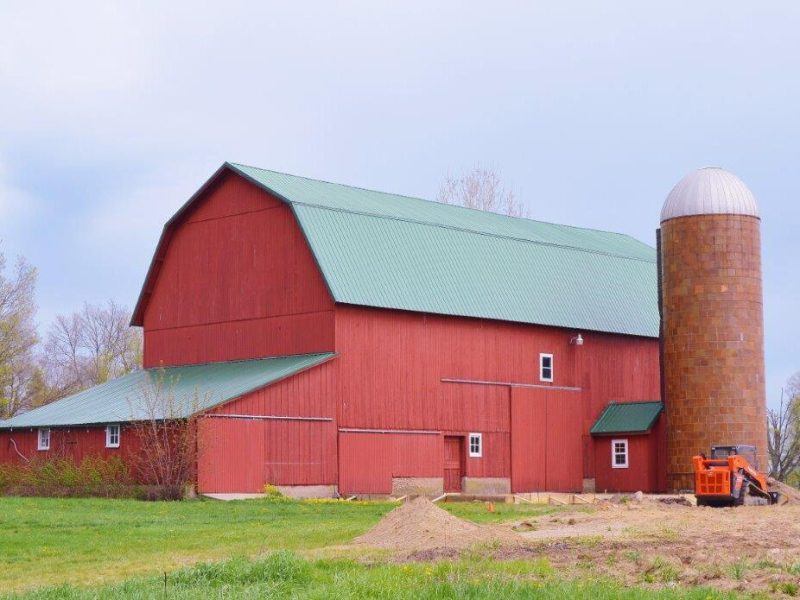
$4 million in Michigan Rural Development grants available
Michigan is offering $4 million in Rural Development Fund grants for the 2027 cycle to support infrastructure, economic growth, and regional collaboration across the state’s rural communities, with letters of intent due by November 2, 2026.

How are Michigan’s families doing?
Rising costs, child care shortages and barriers to health care are straining Michigan families. What could help?