State awards $1.5M toward rehab, redevelopment of 131-year-old building in downtown Petoskey
A $5.3 million mixed-use project will revive the 131-year-old building while adhering to the federal Secretary of the Interior’s standards for historic building ehabilitation.
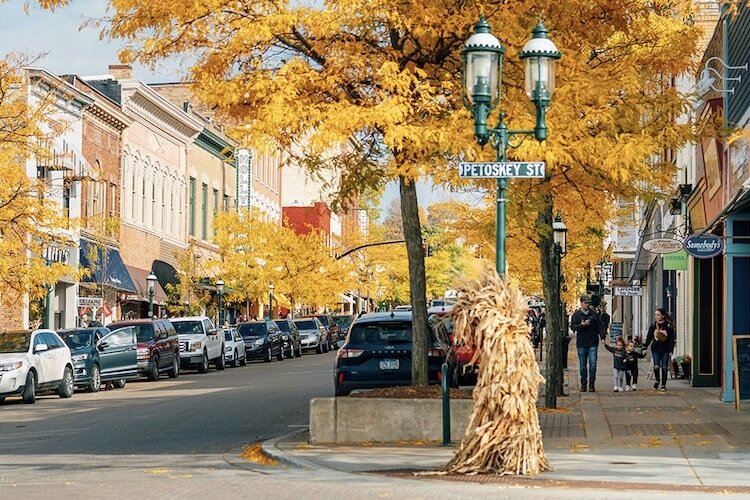
What’s happening: Once the longtime home of Leo’s Neighborhood Tavern in downtown
Petoskey, 434 E. Mitchell St. has remained vacant these past few years since the decades-old
watering hole announced its final closing time. That could soon change as developers have
announced plans to preserve and repurpose the 131-year-old building for a restaurant,
speakeasy, and eight residential units.
What they’re saying: “The Leo’s Neighborhood Tavern building has been part of the fabric of
Petoskey for more than a century, and this project represents an opportunity to honor that
history while bringing new life to our downtown,” says developer Randy Flinn.
What’s planned: Flinn will redevelop the historic downtown Petoskey building, embarking on a
$5.3 million mixed-use project that will revive the 131-year-old building while adhering to the
federal Secretary of the Interior’s standards for historic building rehabilitation. Eight residential
units will be redeveloped upstairs, while space for a restaurant and a speakeasy will be
redeveloped below.
How they’re doing it: The project has recently been awarded a $1.5 million Revitalization and
Placemaking (RAP) grant by the Michigan Economic Development Corporation, an MEDC
program designed to support economic and community development projects that can help
revitalize Michigan’s traditional downtown communities. The city of Petoskey also approved a
$330,000 12-year Obsolete Property Rehabilitation Act tax abatement in support of the project.
Working together: “From the outset, it was clear that restoring a 130-year-old structure of this
scale would require strong public-private partnership,” says Flinn. “Without the support of the
Michigan Economic Development Corporation, this project simply would not have been
possible. The MEDC saw not just a building, but the potential for community impact – housing,
hospitality, and renewed energy in the heart of Petoskey. ”
Related Articles
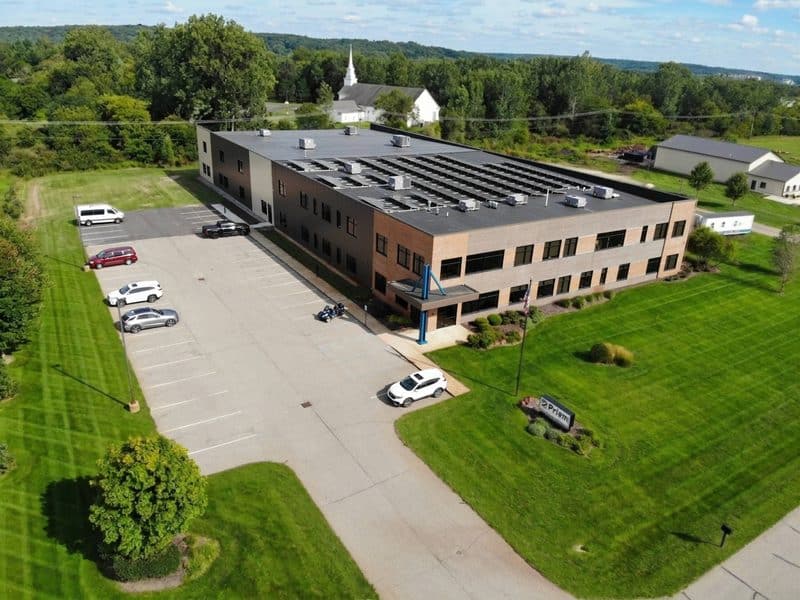
Prism Controls to invest $3.8M and create 28 jobs in Vergennes Township expansion
Prism Controls is investing $3.8 million to double its agricultural technology manufacturing facility in Vergennes Township, a five-year expansion project that will create 28 high-paying jobs and is supported by a $210,000 state grant.
$4 million in Michigan Rural Development grants available
Michigan is offering $4 million in Rural Development Fund grants for the 2027 cycle to support infrastructure, economic growth, and regional collaboration across the state’s rural communities, with letters of intent due by November 2, 2026.

How are Michigan’s families doing?
Rising costs, child care shortages and barriers to health care are straining Michigan families. What could help?