Lake Michigan Hub launches final $100,000 grant round for farm-to-school projects
Mid-western farmers, food suppliers, and school districts have until January 22, 2027, to submit community-driven proposals aimed at integrating more fresh, sustainable ingredients into K-12 cafeterias.
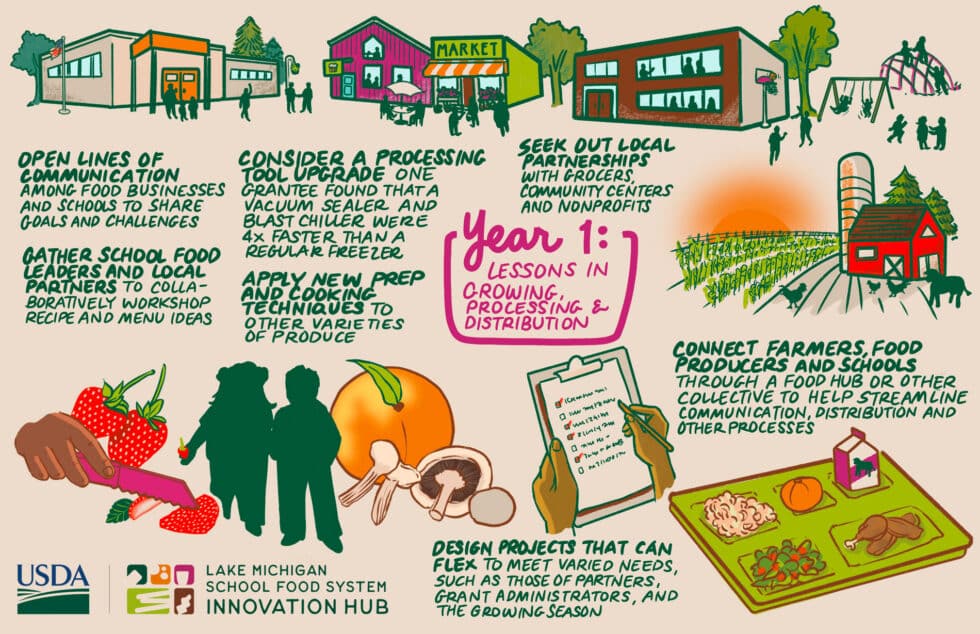
A multi-state initiative is expanding to bring fresh, local food into K–12 school cafeterias across the Midwest.
The Lake Michigan School Food System Innovation Hub has opened applications for its final round of Spark Award grants, offering up to $100,000 per project to help farmers, food suppliers, and educators collaborate on nourishing student meals.
“We’re looking forward to seeing people across Michigan—from farmers and food suppliers to school food service directors and community-based program leaders — come together to help the food that kids eat at school be more local, more nourishing, and more
loved,” says Julie Lehman, who is the Farm to Youth Network Coordinator with Michigan State University Center for Regional Food Systems, a leading member of the multi-state Innovation Hub.
What’s happening: The Lake Michigan School Food System Innovation Hub has officially launched its final round of Spark Award funding. The initiative provides grants of up to $100,000 to foster fresh, community-driven ideas that connect local farms to school
lunchrooms. The final deadline to submit applications is January 22, 2027, at 5 p.m. CST. Program leaders emphasize that the funding is designed to stimulate local economies while improving childhood nutrition.
Previous recipients: Project teams from the first groups of grant recipients are already expanding innovative food sourcing approaches throughout Michigan. Examples of rural programs that are already underway include:
— ValleyHUB at Kalamazoo Valley Community College, which plans to pilot a series of skill-development workshops for school food service directors. The aim is to increase both the volume of local purchasing and the nutritional content of meals in ValleyHUB partner
school districts in Southwest Michigan.
— Wittkamp Grain and Vegetable LLC will work with seven school districts and 20 farmers to increase the use of local foods in summer meals by creating a new order system. Wittkamp’s business office is in Mears and its 100-acre asparagus operation is in Custer. Some of its rural partner schools include Montague Area and Shelby public schools.
— The Michigan School Local Food Readiness Audit (LFRA) – Local Food Made Easy project will help 20 school districts understand what it takes to source more local food within existing staffing, procurement, and operational constraints. This project will work directly
with school food service directors to design, test, and finalize an audit to identify ways to increase access to appropriate local growers and producers as needed. Partners include Rebel Cultures, Montague Area Public Schools, Zeeland Public Schools, West Ottawa Public
Schools, Holland Public Schools.
The back story: In Michigan, more than 865,000 students eat school food every day. The Lake Michigan School Food System Innovation Hub is a U.S. Department of Agriculture Food and Nutrition Administration–funded grant-making initiative that invests in
community-driven ideas of all sizes and scopes to direct more resources to students, schools and local economies.
Who’s eligible: The grant program targets collaborative, multi-partner teams across four states: Michigan, Illinois, Indiana, and Wisconsin. Project teams can be a mix of:
● Farmers, local growers, and food producers
● Food suppliers, distributors, and industry partners
● K–12 schools and school districts
● Community-based program leaders and non-profit organizations
About the hub: The Lake Michigan School Food System Innovation Hub nurtures community-driven collaborations that reimagine students’ meals. The organization is building pathways for local, nourishing food to reach more schools across Illinois, Indiana,
Michigan and Wisconsin. The hub offers funding, training and other help to collectives of schools, school districts, organizations, farmers, producers, suppliers and distributors. Funding comes from the U.S. Department of Agriculture’s Food and Nutrition
Administration, as a part of the Healthy Meals Incentives Initiative, and convened by the Illinois Public Health Institute. Organizations leading the initiative include Seven Generations Ahead (Illinois), Michigan State University’s Center for Regional Food Systems
(Michigan), NWI Food Council (Indiana), Kids Forward (Wisconsin), healthTIDE (Wisconsin) and Action for Healthy Kids. InnovateSchoolFood.org.
What’s next: Because this is the absolute final funding opportunity under the current USDA Healthy Meals Incentives cycle, groups must submit their proposals before the January 22, 2027 deadline. Meanwhile, earlier grant recipients are already piloting projects, including school local food readiness audits, new summer meal ordering systems, and specialized food service training workshops.
Related Articles
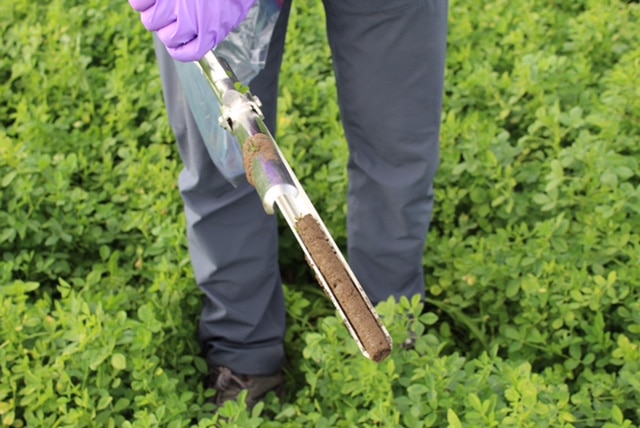
Michigan offers free testing and tools to fight PFAS on farms
A new five-year, $3.5 million collaboration between the state and MSU Extension will provide agricultural producers with free environmental testing, education, and funding for mitigation strategies to safeguard the state’s food supply and farm economies from PFAS contamination.
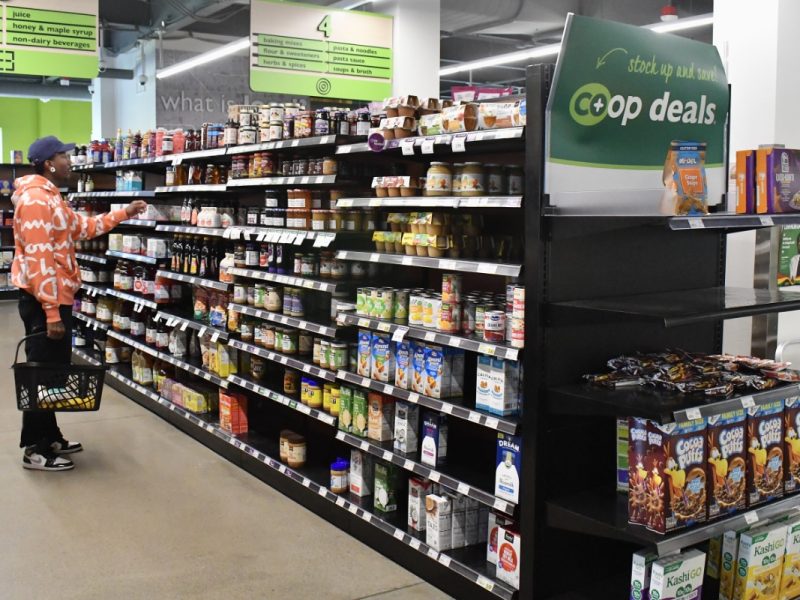
How Michigan organizations are tackling food insecurity on the local level
Fair Food Network, Groundwork Center for Resilient Communities, and Detroit Food Policy Council increase families’ healthy choices while supporting local growers and retailers.
Food as Medicine: Prescription for a healthier U.P.
Backed by the Superior Health Foundation, a powerful Upper Peninsula coalition has launched a “Food as Medicine” program to fight regional food insecurity and directly improve community health through fresh produce prescriptions.