Michigan offers free testing and tools to fight PFAS on farms
A new five-year, $3.5 million collaboration between the state and MSU Extension will provide agricultural producers with free environmental testing, education, and funding for mitigation strategies to safeguard the state’s food supply and farm economies from PFAS contamination.
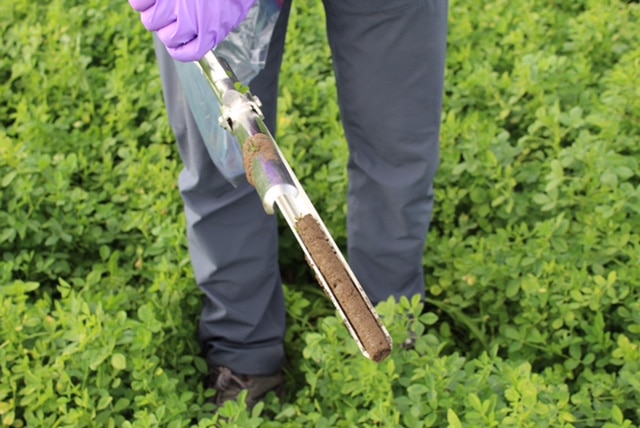
Michigan farmers will soon have the tools and expertise needed to help protect their land, livestock and productivity from contamination by “forever chemicals,” thanks to a new partnership between the state and its Land Grant university.
The Michigan Department of Agriculture and Rural Development has entered a five-year partnership with Michigan State University Extension to bolster farmland monitoring for per- and polyfluoroalkyl substances (PFAS).
MDARD Director Tim Boring says the goal is to safeguard agricultural operations now and in the future.
What’s happening: A $3.5 million investment will fund education, testing, and mitigation for affected farms. MSU Extension will create educational materials to increase public and industry awareness of how PFAS accumulates, sharing science-based strategies to reduce its impact. Eligible farms can receive free soil and water sampling, alongside mitigation funding if issues are discovered. MSU Extension staff will travel statewide to collect samples, confidentially review results with producers, and co-develop tailored mitigation plans to ensure long-term farm viability.
The back story: This collaboration addresses a global crisis. PFAS chemicals are used in everyday products like waterproof clothing, fabrics, and firefighting foam, but long-term exposure is linked to human and animal health issues. Research shows these synthetic chemicals enter agricultural systems through rain, contaminated irrigation water, historic soil amendments, and tainted feed. Once in the system, they move through water and soil to be absorbed by plants and livestock.
Taking action: Because PFAS testing is not federally mandated and elevated levels are not generally found in the human food supply, Michigan is taking a proactive, voluntary approach to protect public health and the agricultural economy. MDARD is a core member of the Michigan PFAS Action Response Team (MPART), a seven-agency state coalition. Additionally, MDARD recently awarded grants to nationwide researchers to study how these chemicals impact Michigan’s unique agricultural systems.
Tactics to help: Knowing PFAS levels in soil and water helps predict accumulation rates. Absorption depends on factors like crop type, soil composition, precipitation, and livestock housing. If elevated levels are found, producers can mitigate impacts by:
Purchasing clean feed or shifting livestock grazing away from high-PFAS fields.
Installing new wells or finding alternative clean water sources.
Utilizing certified PFAS removal filters.
Selecting plant species or specific plant parts (like grains) that absorb fewer chemicals, or shifting to non-food crops.
This extension grant and ongoing research are spearheaded by MDARD’s Office of Agricultural Science and Research, which invests in science to improve environmental and economic outcomes.
Bringing it all together: Through this new collaboration, MDARD is leveraging cutting-edge research and building partnerships across the country. As Boring notes, the ultimate goal is to “help farmers better understand environmental risks, protect crops and livestock and maintain the long-term economic viability of Michigan farmland.”
Information: Learn more about MDARD’s Office of Agricultural Science and Research.
Related Articles

How Michigan organizations are tackling food insecurity on the local level
Fair Food Network, Groundwork Center for Resilient Communities, and Detroit Food Policy Council increase families’ healthy choices while supporting local growers and retailers.

Food as Medicine: Prescription for a healthier U.P.
Backed by the Superior Health Foundation, a powerful Upper Peninsula coalition has launched a “Food as Medicine” program to fight regional food insecurity and directly improve community health through fresh produce prescriptions.
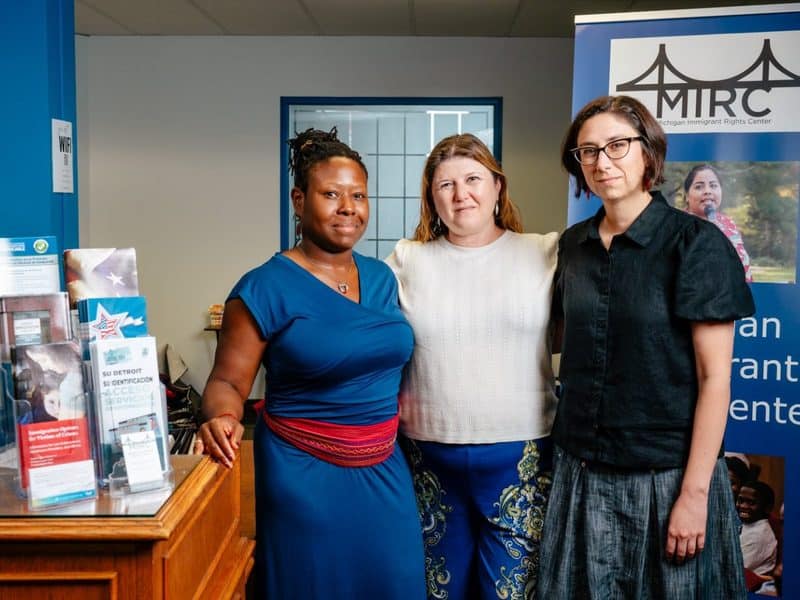
Michigan farmworkers hold onto hope amid increased immigration enforcement; nonprofits provide resources
Through Know Your Rights education, family preparedness and workplace advocacy, organizations help farmworkers navigate threats to their families and livelihoods.