Traverse City recognizes how accessibility can build tourism
Northern Michigan organizations partner to improve accessibility, helping more travelers enjoy Traverse City while building a more welcoming tourism destination.
Most people planning a vacation face familiar questions: Where should we stay? Which beach should we visit? Where’s the best place to eat?
Travelers with disabilities often ask a different question first: Will this place work for me?
Many cities want people to visit. Some only do what the law requires. But Traverse City is trying to do more. Local leaders want everyone to feel welcome and enjoy their visit.
The effort raises an intriguing question: Can a rural tourism destination make accessibility part of its identity?
Across the region, tourism officials, disability advocates, and local businesses are working together to answer that question through autism certification, accessible recreation, hospitality training, and partnerships designed to remove barriers before visitors arrive.
“What we learned from going through the program was that it makes our hospitality better all around,” says Whitney Waara, chief operating officer for Traverse City Tourism. “So much of it is about being a better listener to people’s needs. Whether someone requires additional support or is simply having a bad day, it helps us serve them better. It really makes us better overall.”
Beyond compliance
Traverse City’s work to improve accessibility goes beyond ramps, parking spaces, and following building regulations.
In 2023, Traverse City became the first Certified Autism Destination in the Midwest. Hotels, attractions, museums, libraries, and tourism workers received special training to better welcome and support visitors with autism and sensory sensitivities.
Today, certified partners include Crystal Mountain, Great Wolf Lodge, other lodging properties, museums, libraries, boat tour operators, and other attractions.

“We’ve added lots of different business types and lots of partners across the region,” Waara says.
For Traverse City Tourism, the certification was never intended simply as another designation to market.
“We thought we could differentiate ourselves in other ways,” Waara says. “Many places are already ADA compliant, but we wanted to go a step beyond compliance and do something really proactive.”
The organization also directs visitors to information about accessible beaches, adaptive recreation, universally accessible kayak launches, track chairs available at Sleeping Bear Dunes, mobility equipment, accessible transportation, and other resources.
Rather than trying to become experts in every aspect of accessibility, Traverse City Tourism partners with Disability Network Northern Michigan, a Traverse City-based organization.
“We try to lean into people who already have expertise,” Waara says. “We don’t want to create duplicative expertise. They are a fantastic partner and provide a great deal of in-depth information.”
‘Part of our culture’
The visitor center’s staff has completed autism certification training, enabling employees to better connect travelers with resources tailored to them.
“If people reach out and say, ‘I really want this kind of experience,’ we’re excited to customize recommendations based on their individual needs,” Waara says.
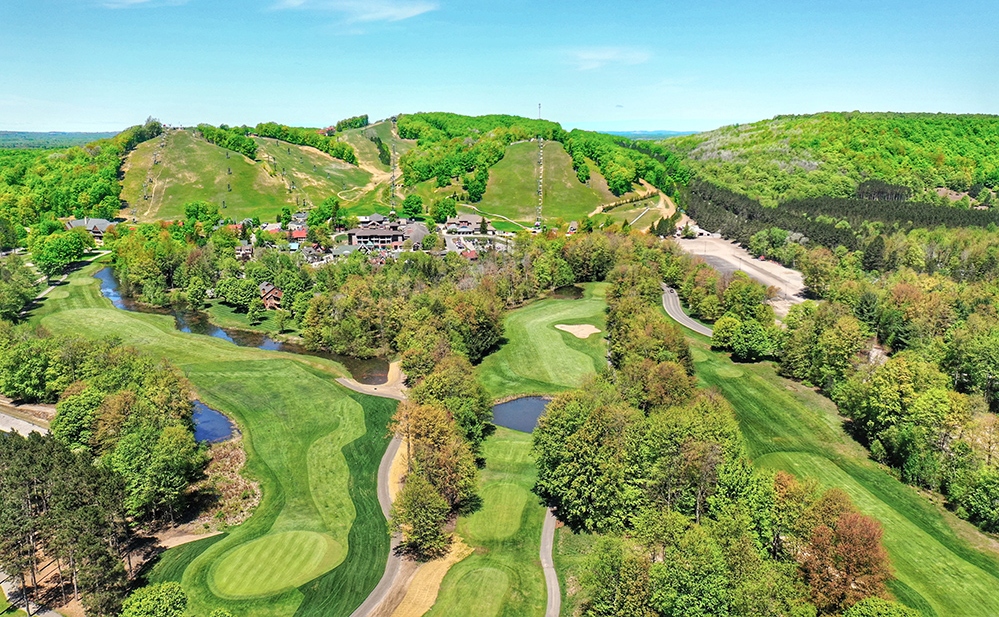
Crystal Mountain joined the effort soon after Traverse City Tourism launched the initiative.
“When Traverse City Tourism introduced the initiative to become a Certified Autism Destination, it was really a no-brainer for us,” says Jennifer King, senior vice president of human resources at Crystal Mountain. “One of our values is fun, and we believe fun is our business. That means fun for everyone.”
King says the resort made autism certification part of its new employee orientation.
“We’ve added it as part of our culture,” King says. “Every single employee does it.”
The training takes about an hour and helps employees understand how autism and sensory sensitivities may affect a guest’s visit. King says employees often tell her the lessons have helped them outside of work, too.
“It’s been really well received by our team,” King says. “We’ve heard a lot of folks say, ‘Hey, this has been helpful with my niece, my nephew, my coworkers.’ Everyone has taken away something different from it.”
King remembers one guest who showed why the training matters.
A young boy who was nonverbal wanted to ride Crystal Mountain’s Alpine Slide. His family rode the slide together, but he was afraid.
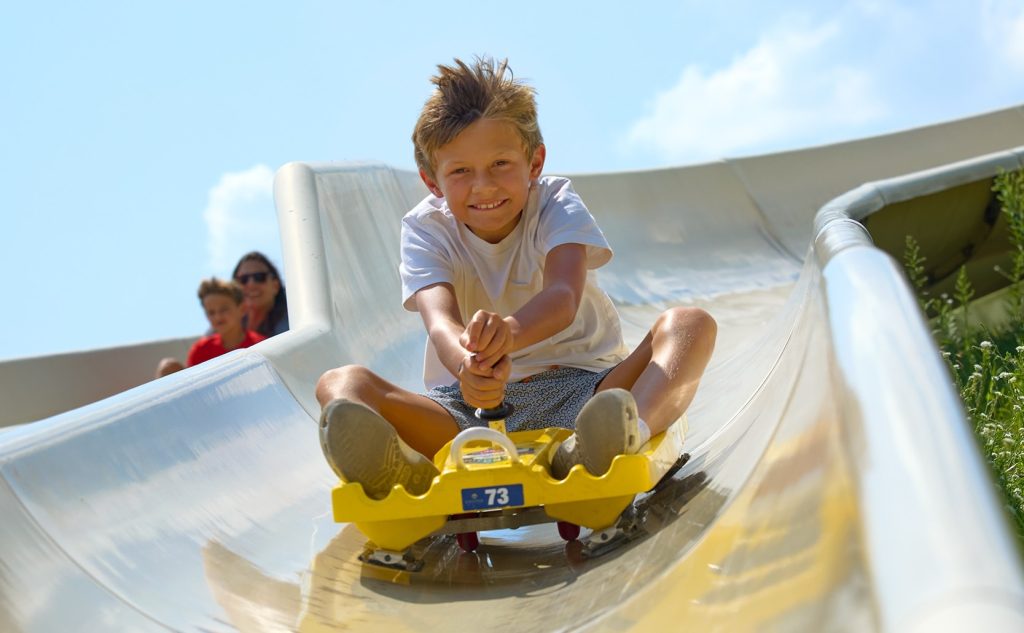
A staff member who had completed the autism certification training noticed the child’s anxiety and took extra time to explain each step of the experience. The employee showed him how the chairlift worked, explained how the sled would travel down the mountain, and described what would happen before they reached the top.
The employee rode the chairlift with him, answered his questions, and stayed with him until he felt ready.
“He had the most amazing time, nothing but smiles and happiness, and wanted to go again,” King says.
Stories like that help explain why Crystal Mountain continues to invest in the training.
The resort also partners with Northern Michigan Adaptive Sports to offer adaptive skiing and works with guests who have dietary restrictions or other accessibility needs.
King says the goal is to help every guest feel welcome.
Still learning
The partnership also helps identify where work remains.
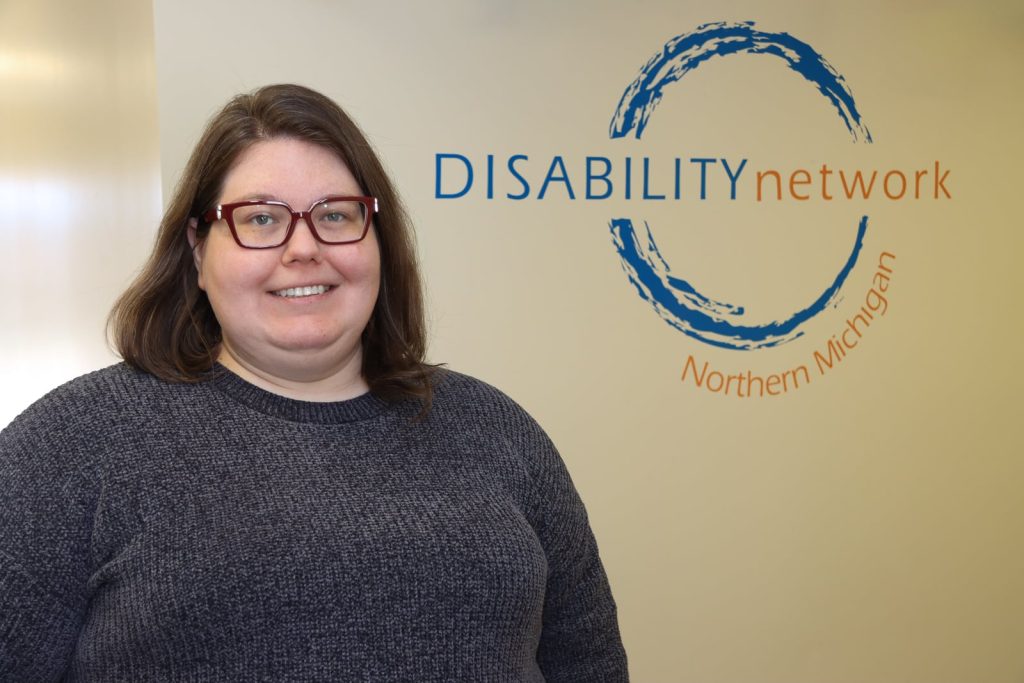
Last year, Alanna Lahey, executive director of Disability Network Northern Michigan, contacted more than 40 hotels while researching accessible lodging options for people attending a potential conference in Traverse City.
The conversations revealed a common misunderstanding.
“What I found was a general confusion about what ADA compliance actually means,” Lahey says.
Many hotels advertised accessible rooms, but when staff members described the accommodations, they often confused ADA-accessible rooms with barrier-free rooms.
“I would ask, ‘Is it ADA accessible or barrier-free?’ Most people didn’t understand the difference,” Lahey says. “As we talked through the features, they realized the room wasn’t truly accessible. It was simply barrier-free.”
That distinction can have real consequences for travelers.
An ADA-accessible room meets federal standards designed to help people with disabilities use the space independently. Depending on the room, that can include wider doorways, enough space to turn a wheelchair, grab bars, a roll-in shower, lower counters, accessible sinks, and visual or vibrating alarms.
A barrier-free room removes some physical obstacles but may not meet all ADA accessibility standards. For example, a room may have a larger bathroom or a walk-in shower but still lack enough space for someone to transfer safely from a wheelchair or use all of the room’s features independently.
“People come to Traverse City believing there’s an accessible room because that’s what they were told,” she says. “Then they arrive and discover the hotel isn’t actually accessible, and there may be nowhere else for them to go.”
Instead of just pointing out the problem, Disability Network Northern Michigan offered hotels free training, education, and technical support to help them become more accessible. Only one hotel accepted the offer. It later asked Disability Network Northern Michigan to review the property and suggest ways to make it more accessible.
Welcoming to all
Lahey says creating a more accessible community takes more than building ramps and adding accessible parking. It also involves educating businesses so they understand how to better serve people with disabilities.
Waara says the goal is to help more families enjoy everything northern Michigan has to offer.
She remembers hearing about a child on the autism spectrum who learned to ski at Crystal Mountain. Ski instructors who completed the autism certification training helped make the experience possible.
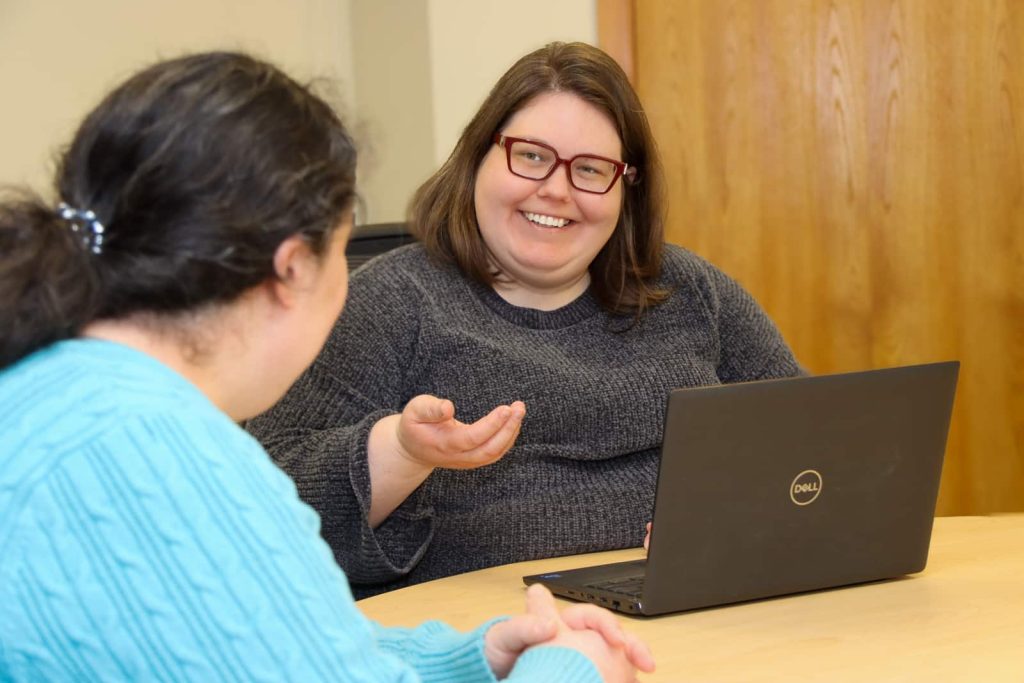
“That family left with a whole new activity they could enjoy together,” Waara says.
Stories like that reinforce why Traverse City Tourism continues investing in accessibility.
“This is far above and beyond compliance,” Waara says. “We consider it part of our role to help everyone enjoy a trip, enjoy the relaxation that vacation can bring, and still feel comfortable.”
The work is far from finished. Historic buildings, older lodging properties, and rural attractions continue to present accessibility challenges, and visitors often need to research destinations before they arrive.
Still, the region’s approach reflects a broader shift in how accessibility is viewed.
Rather than asking whether a business meets minimum standards, Traverse City is increasingly asking how it can create experiences that allow more people to participate.
For a community whose economy depends on welcoming visitors, that may prove to be one of its most valuable investments.
Photos by Tommy Allen and courtesy of Traverse City Tourism
The multi-regional Disability Inclusion series is made possible through a partnership with Centers for Independent Living organizations across West Michigan.
Related Articles
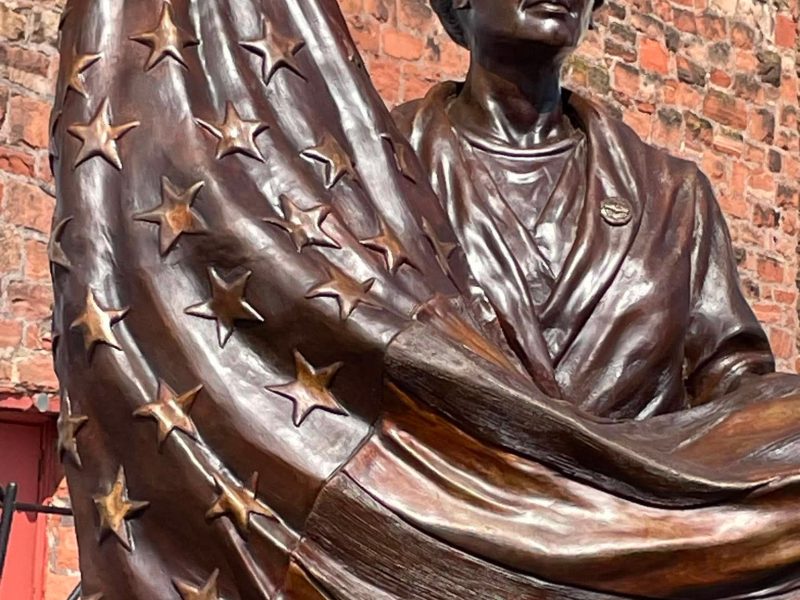
Standing Tall Again: How Calumet came together to honor ‘Big Annie’ Clemenc
Following years of community fundraising, Calumet marked a milestone on Aug. 22 with the unveiling of a 900-pound bronze statue honoring 1913 Copper Strike activist Anna “Big Annie” Clemenc.
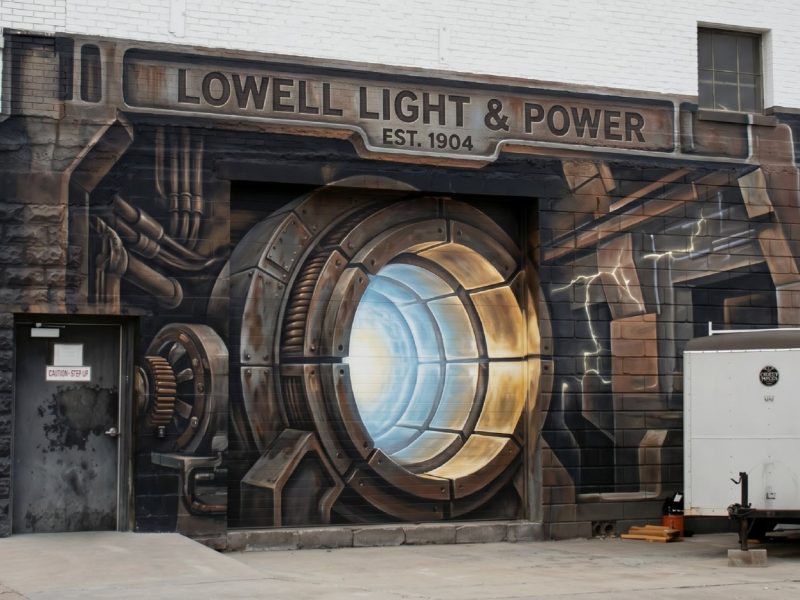
How public murals will transform downtown Lowell
Work on four new murals across downtown Lowell will begin in August, launching the city’s first coordinated public art initiative.
Mason County brings local history to life with ‘Ludington Landmarks’ initiative
Supported by a $180,000 boost, the Ludington Landmarks initiative brings Mason County’s rich history to life with new self-guided walking tours, interactive markers, and enhanced online features.