Munson Medical Center and partners win $2.5M grant for Rural Street Medicine Residency expansion
The community health outreach program proactively bridges the gaps between health
care services and the homeless population.
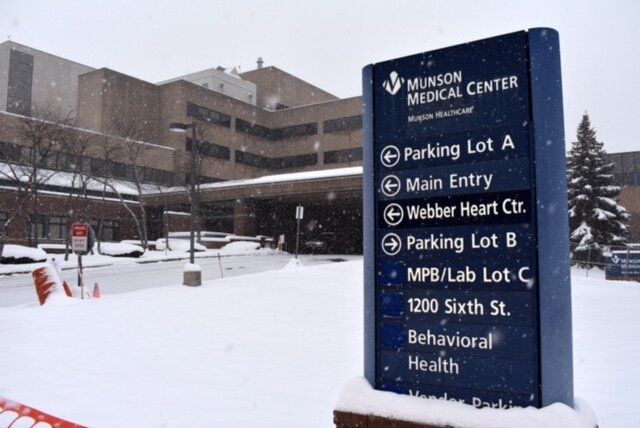
What’s happening: An award-winning community health program focused on the homeless
population of Northwest Michigan will soon expand as stakeholders ready the launch of their
Rural Street Medicine Residency Expansion Project. Traverse City’s Munson Medical Center
has won a $2.5 million grant from the federal Health Resources and Services Administration
(HRSA) in support of the five-year program, which it operates in partnership with Traverse
Health Clinic and Goodwill Industries.
Why it’s important: “These are among the most vulnerable people in our region, and this grant
is going to help ensure they have access to care, where they are,” says Munson Healthcare’s
David Klee, MD, Community Assistant Dean for the Michigan State University College of Human
Medicine Traverse City Campus. “Over the next five years we will be implementing a
comprehensive strategy to expand, enhance, and formalize a Rural Street Medicine Residency.”
Backstory: The three partner organizations first launched their Street Medicine program in
2020, a community health outreach program that proactively bridges the gaps between health
care services and the homeless population of Benzonia, Cadillac, Rapid City, and Traverse City.
The program, which won an American Hospital Association (AHA) Dick Davidson NOVA Award
in 2024, has served more than 400 unique patients in Traverse City just this year.
How it works: As one of just 24 such grant recipients nationwide, the Rural Street Medicine
Residency Expansion Project will enhance street medicine training for medical students enrolled
in Munson’s Family Residency Program as offered through Michigan State University. Future
physicians will receive on-the-street training to develop those skills necessary for practicing
medicine in complex care environments via mobile medical units, shelter-based clinics, and
encampment outreach.
Future plans: “As this new curriculum takes root, we plan to build upon it with a Rural-Urban
exchange program, opportunities for mentorship, and a ‘Grow Your Own’ street medicine
development model,” says Klee.
Related Articles
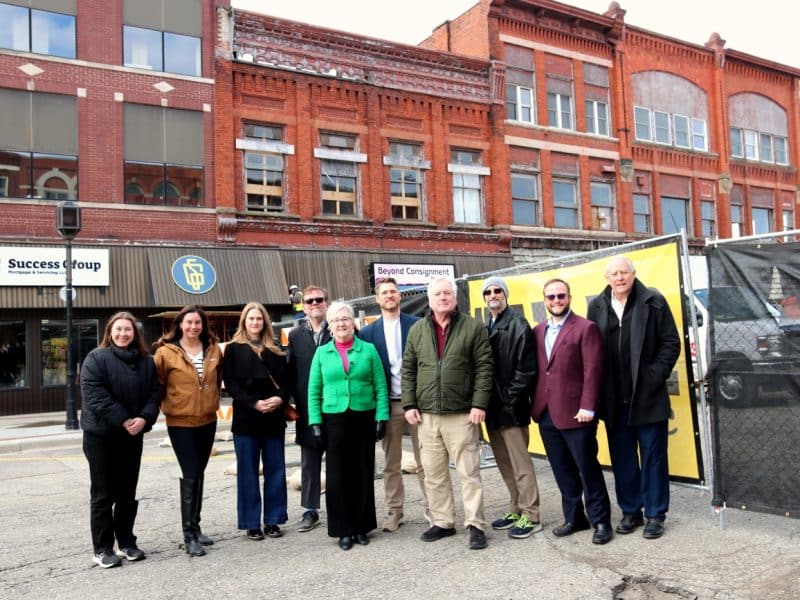
Bustin’ blight in Shiawassee County: Countywide program brings down derelict building in downtown Owosso
“Each project we complete removes a hazard, improves surrounding property values, and sends a clear signal that Shiawassee County is serious about its future,” says Greg Brodeur, chair of the Shiawassee County Board of Commissioners and SCLBA board member.

Wisconsin company relocates to Menominee County, bringing $1.2M investment
With the relocation to the U.P. , Menco LLC will consolidate operations and expand its capabilities. The move is expected to create 13 jobs.
This classic Northern Michigan brewery to open third location in Traverse City as part of big redevelopment plans
The approximately 16,000-square-foot space will be reconfigured to host Short’s Brewing as the anchor tenant, featuring the company’s array of award-winning craft beer as well as dedicated space for food, live music, and events.