
State agriculture department awards $500,000 to create farm networks across Michigan
The Michigan Department of Agriculture and Rural Development (MDARD) awarded nearly $500,000 through its Regenerative Farmer Network Grant to fund 12 farmer-led networks across the state.
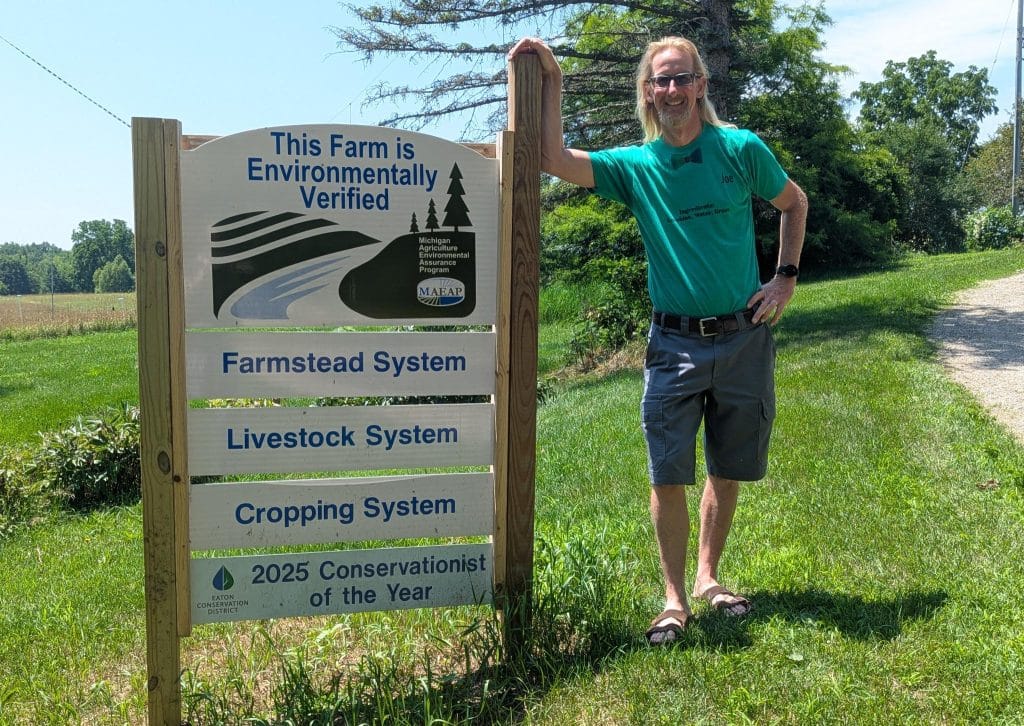
They’re concepts as old as farming itself: Adopt methods that protect and enrich soil and water resources from season to season, and then spread the word from farmer to farmer about what works.
While the principles of regenerative agriculture may be age-old, innovative ways to support them are taking shape through new statewide farming networks—established in 2024 as one of the nation’s first programs housed directly within a state agriculture agency.
What’s happening: The Michigan Department of Agriculture and Rural Development (MDARD) recently awarded nearly $500,000 through its Regenerative Farmer Network Grant to support 12 farmer-led networks across Michigan. These networks focus on connecting growers, testing and implementing regenerative practices, and sharing knowledge statewide. Thanks to these grants, conversations once limited to a few neighbors over coffee now reach a wider audience through workshops, field demonstrations, and innovative outreach.
The back story: Created in 2024, MDARD’s $6 million Regenerative Agriculture Program is a pioneering state-level effort. Its goal: build a more resilient agricultural system by helping farmers adopt practices that improve soil health, boost profitability, and enrich natural resources. In addition to creating farmer networks, MDARD has launched a free soil health assessment initiative, funded regenerative agriculture trainings, invested in a Next Generation Crop Insurance Pilot, and established a veteran training farm in partnership with the VFW National Home in Eaton Rapids.
How the grants work: The grants provide farmer-led networks with funding to develop and execute local regenerative agriculture initiatives. Supported activities include testing new practices, conducting soil analyses, demonstrating regenerative techniques, offering peer mentorship, and facilitating producer-to-producer learning. Each network tailors its focus to member needs—for example, the Ionia Resilient Farmer Network is exploring livestock integration into row-crop systems, drone-seeded cover crops, soil testing, and peer mentorship. Designed for operations of all types, these networks help farmers adapt regenerative practices to their unique land and business goals.
Where the grant-supported networks are:
Mid-Michigan
- Ionia Resilient Farmer Network: $45,000
- Regenerative Ecology & Livestock Integration Collective: $45,000
- Michigan Forever Green Field Crops: $40,397.10
Northern Michigan
- NEMI Regenerative Ag Network: $29,750
- Michigan RegenVine Network: $45,000
Southeast Michigan
- Grown in Detroit Regenerative Network: $42,500
- Southern Michigan Small Grains Pilot Network: $43,965
- Washtenaw County Agroecology Network: $44,238.60
Southwest Michigan
- West Michigan Small Scale Regenerative Farmer Network: $45,000
West Michigan
- Regenerative Tree Fruit Network: $31,500
- Regenerative Pear Growers Network: $42,500
Upper Peninsula
- From The Ground League of Growers: $42,500
What they’re saying: “What energizes us most is bringing together a community of farmers who share a passion for regenerative agriculture,” says Joe Hetrick, an Eaton County farmer with the Regenerative Ecology & Livestock Integration Collective. “It’s a chance to trade ideas, support each other, and invite both consumers and fellow producers to see firsthand how regenerative practices create healthier land, healthier food, and resilient farms.”
What’s next: The focus now moves to strengthening these peer-to-peer connections and implementing regenerative practices on farms across the state. Farmers interested in joining a network can email MDARD-RFNG@michigan.gov for more information.
Related Articles
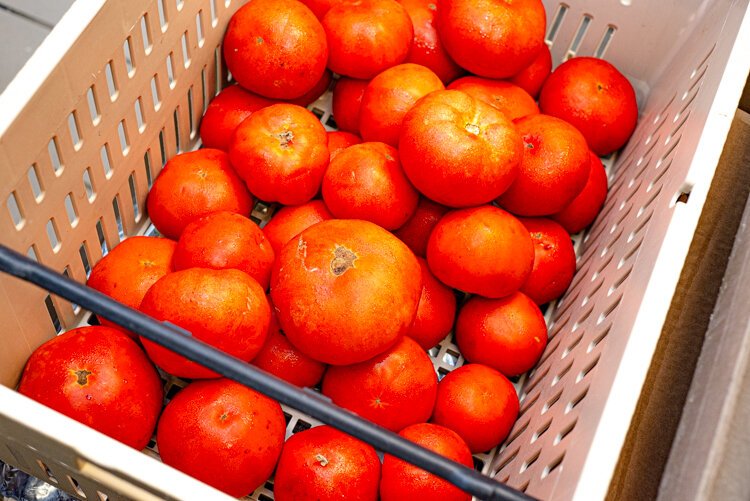
Fresh vegetables connect West Michigan farms, volunteers and families
Kids’ Food Basket’s Holland farm grows produce that volunteers help deliver to local pantries, expanding access to fresh, healthy food.

Hildebrand Fruit Farms doubles capacity with $4 million facility
Funded in part by a $175,000 state agriculture grant, the modernized space replaces a 60-year-old building, nearly tripling the packing floor area and upgrading employee facilities ahead of the harvest seasons.
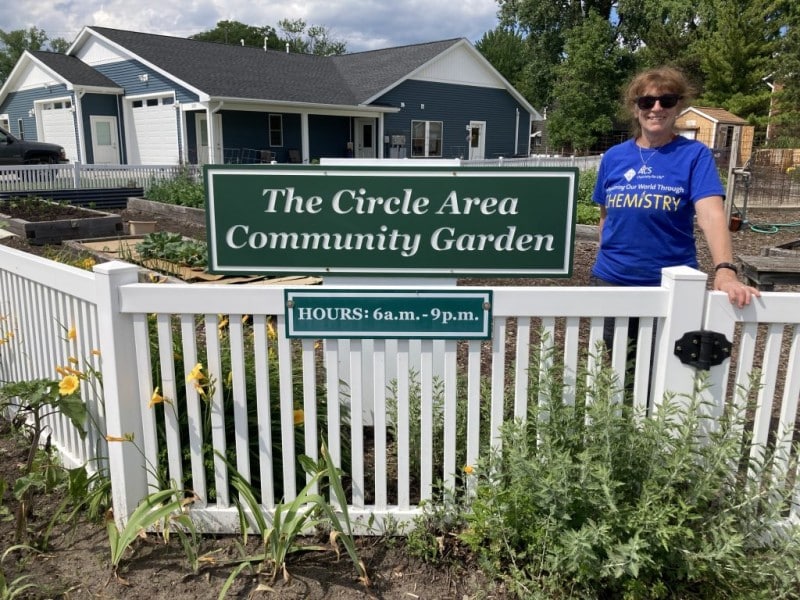
Midland Community Gardens provide for those facing food insecurity
Midland’s community gardens are helping fight food insecurity by growing and donating fresh produce to local food pantries. Powered by volunteers, the gardens provide thousands of pounds of fruits and vegetables to families in need each year.