Mid-Michigan meat producers to expand sales opportunities
The farms are among 26 Michigan producers, processors and community development organizations to receive state agricultural grants.
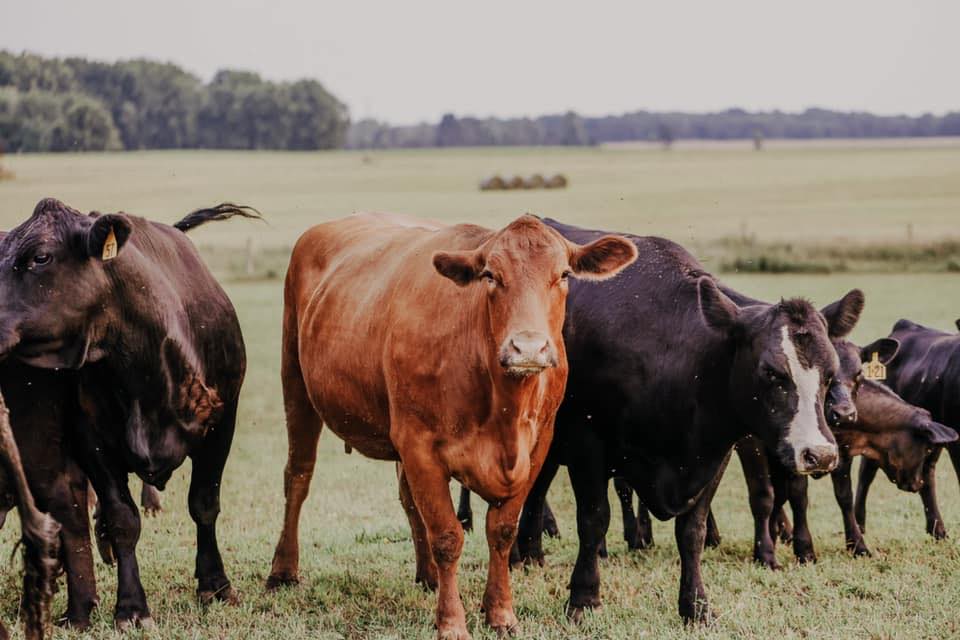
The family-owned Angus Cattle Co. in Laingsburg plans to open a storefront to expand sales of locally raised beef and pork.
The Cut Custom Processing, a Rosebush company that offers custom-cutting for beef, pork and lamb, plans to install commercial dry aging and curing equipment to enable the production of high-quality, value-added beef and pork products.
The central Michigan farms were among the 26 Michigan producers, processors and community development organizations awarded grants from the Michigan Department of Agriculture and Rural Development. The other farms and businesses are located all over Michigan, including the Upper Peninsula.
These grants “are strategic investments that will enhance the production and delivery of locally grown foods while creating more than 100 jobs across the state. We’re proud to support these businesses in delivering for their communities,” Tim Boring, MDARD director, said in announcing the grants
What’s happening: The Michigan Department of Agriculture and Rural Development (MDARD) awarded $1.8 million in grants during a recent round of its Underserved, Value Added and Regional Food System Grant program. Grants were awarded for equipment purchases, expansions, marketing and other business needs.
About the grant program: MDARD’s Value Added and Regional Food System Grant focuses on funding projects that establish or expand value-added agricultural processing, develop regional food systems, and increase access to healthy food. Applications are competitive and typically due by June of each year, with grants up to $100,000 awarded for projects lasting up to 18 months. Applicants need to provide a 30 percent match, which is reduced to 15 percent for self-certified underserved businesses
The program follows an 18-month timeline, according to Nate Peeters, who is deputy communications director for MDARD. That means each recipient identifies a plan of work and provides a synopsis of items to be completed within the 18-month timeframe. A performance report is due to MDARD every six months. The grants are a cost reimbursement program; recipients are reimbursed for costs after providing MDARD all the necessary documentation.
The projects: Planning and permitting for the Angus Cattle Co.’s storefront began in September. The third-generation farm operation in Shiawassee County received a $100,000 grant through the MDARD program. The family plans to open the storefront in January 2026. The project will generate two full-time and two part-time jobs.
Cut Custom Processing was awarded a $73,500 grant to install commercial dry aging and curing equipment to enable the production of high-quality, value-added beef and pork products. This project will generate two full-time and two part-time jobs.
Thaddeus Reger, owner of The Cut Custom Processing, faces a longer lead time to get his project going in Isabella County.
“The equipment we are getting is built to order and ships from Germany, so the lead time is like 6 months before it gets into the United States,” Reger says. “We are planning a full renovation of a new 12,000-square-foot building to increase our offerings to customers, as well as opening a retail store which will focus on selling local food.”
After installation and testing, the company plans to provide operational and food safety training to staff and to begin dry aging processing using the new equipment by late January 2026.
“We probably won’t be up and running,” he says, “until next summer.”
Reger says he isn’t yet sure exactly what specific products will be offered because the equipment is so specialized. However, he foresees products along the lines of fermented and dried sausages such as salami and similar items.
“Basically the dry curing equipment monitors temperature and humidity as well as moves air around to maintain the exact conditions for high quality products,” he says.
Michigan beef: In 2023, Michigan cattle and calves had an economic impact of $832 million. Michigan has a 1.1 million-strong cattle herd, of which 101,000 are beef cows and 439,000 are dairy cows, according to MDARD’s Peeters. The remainder of the herd is composed of heifers, calves, steers, and bulls. Cattle can be found in 82 of Michigan’s 83 counties.
Michigan pork: Michigan ranks 13th in the nation in pork production. Michigan pig farmers raise more than 1.18 million hogs, and contribute $500 million to the state’s economy annually. Michigan is home to more than 2,000 pig farms.
Related Articles
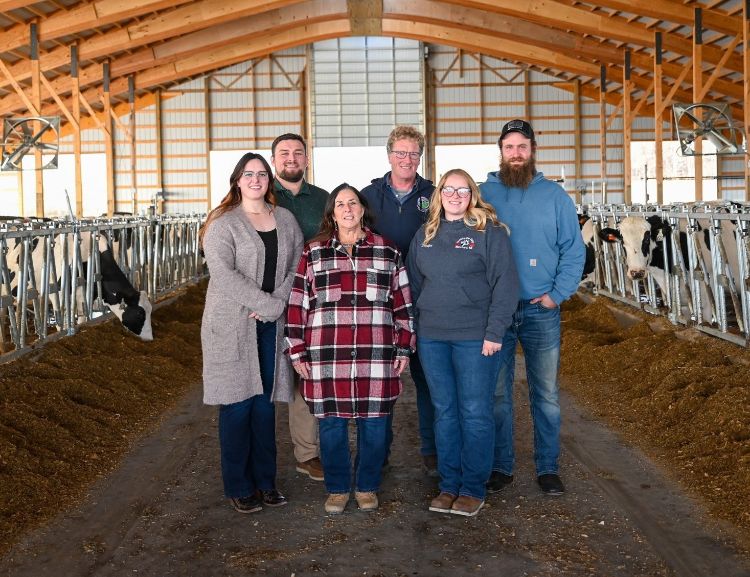
MSU Names De Grins Oer Dairy 2026 Dairy Farm of the Year
The award recognizes farms that demonstrate excellence in management, innovation and leadership within Michigan’s dairy industry.

The Art of the Harvest: Cultivating community through farming and creativity
Traverse City-based Crosshatch has been working since 2005 to create thriving rural communities rooted in vibrant culture and strong farming economies.
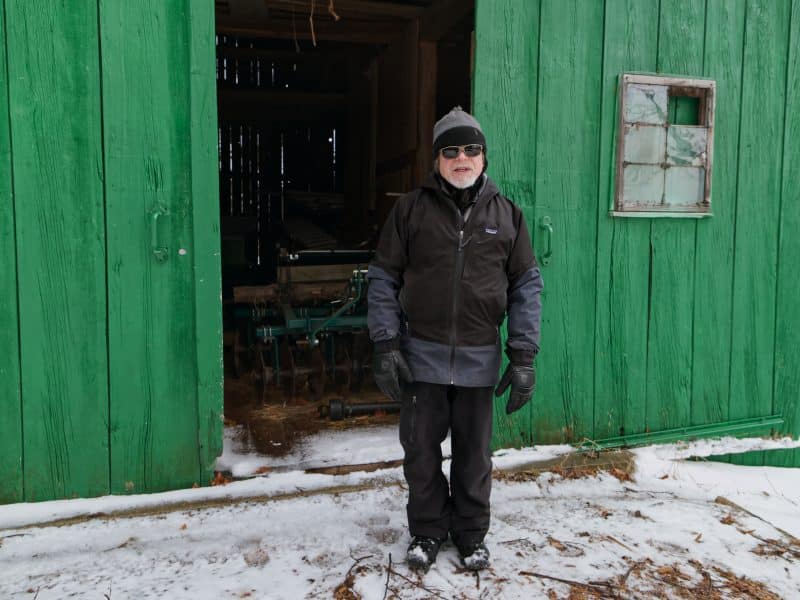
New Michigan program aims to help farms continue by connecting buyers with sellers
MIFarmLink helps match aspiring farmers with those looking to retire and hand their operations over to the next generation.