
DNR explores purchase of U.P.’s Wells-to-Channing rail line for future recreational trail
The Michigan Department of Natural Resources is in preliminary talks to purchase a 60-mile inactive rail corridor between Wells and Channing from the Escanaba & Lake Superior Railroad to expand the U.P.’s multi-use trail network while preserving the grade for potential future rail service.
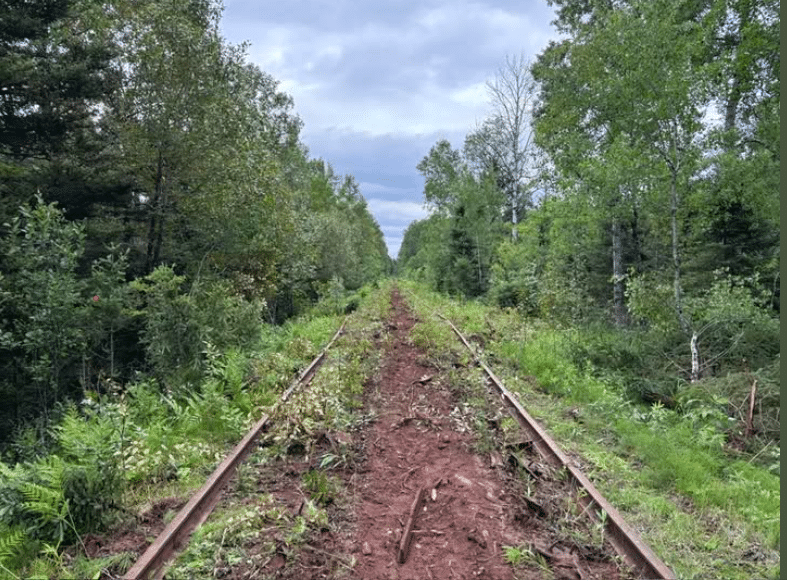
If new acquisition talks bear fruit, the Michigan Department of Natural Resources may buy a stretch of inactive rail line that could someday add 60 miles to the Western U.P.’s recreational trail network.
“Both the DNR and the Escanaba & Lake Superior Railroad are looking at cooperating on the purchase and sale of the grade” between Channing and Wells, says Ron Yesney, the DNR’s U.P. trails coordinator. “Both parties are interested in preserving the integrity of the grade for future rail use.”
What’s happening: DNR and railroad officials met this fall to evaluate all Escanaba & Lake Superior Railroad grades in the U.P. that are potentially up for sale or currently having their rails removed. The 60-mile corridor between Channing and Wells is the primary stretch under consideration, Yesney says, though he emphasizes that discussions remain preliminary.
The Channing-to-Wells line was the very first grade the privately owned shortline railroad purchased when it began operating in 1888. Over the decades, the tracks carried passengers, timber, and other freight between Escanaba and Channing in Delta and Dickinson counties.
“There was a very large and interesting series of logging rails that spurred off this grade and extended in many different directions,” Yesney says.
If converted for recreation, the Wells-to-Channing corridor would link communities and existing trail networks across the region.
Why it matters: “Michigan is very blessed to have more rail trails than any state in the nation,” Yesney says. “Many folks refer to us as the trail state, in part because we’ve been able to preserve our rail lines by converting them to trail purposes.”
Most of the U.P.’s recreational trails are multi-use, supporting both motorized and non-motorized activities like snowmobiling, cross-country skiing, and hiking. Currently, the U.P. alone boasts approximately 1,200 miles of rail trails, which helps it rank among the top snowmobiling destinations in North America.
Backed by that track record, there is initial support for acquiring this stretch of abandoned railway grade, Yesney says. The project also aligns with the state rail plan, which serves as a 10-year strategic guide for managing and expanding Michigan’s multi-use trail network.
What they’re saying: As talks get underway, “the E&LS Railroad is pleased to be working with the Michigan DNR … to further expand the Upper Peninsula’s recreational trail network,” says Tim Tennant, vice president and general manager of E&LS, which operates in Northeastern Wisconsin and the U.P.
Headquartered in Wells in Delta County, the E&LS has grown under current ownership from an original 65-mile core line purchased in 1978 to more than 235 miles of operating railroad by 2005.
Who would pay: Potential funding sources for the acquisition include the Michigan Natural Resources Trust Fund, Land Exchange Facilitation Funding, and the DNR’s Snowmobile Trail Easement Fund. A sale price has not yet been determined, Yesney says.
What’s next: While the corridor is a strong fit for recreation, Yesney notes that the DNR’s mission is to serve both current and future generations. “There is thought that these grades will become very important for future generations, and it’s important to preserve them” for an eventual return to rail service, he says. “The primary goal at this time is more geared toward the preservation of the grade—keeping it in public hands so that it can be reactivated at any time.
“We did a similar rail purchase in the early 2000s,” he adds, “and 15 years later, we sold it back to the railroad, and now they’re running it as a railroad.”
Related Articles
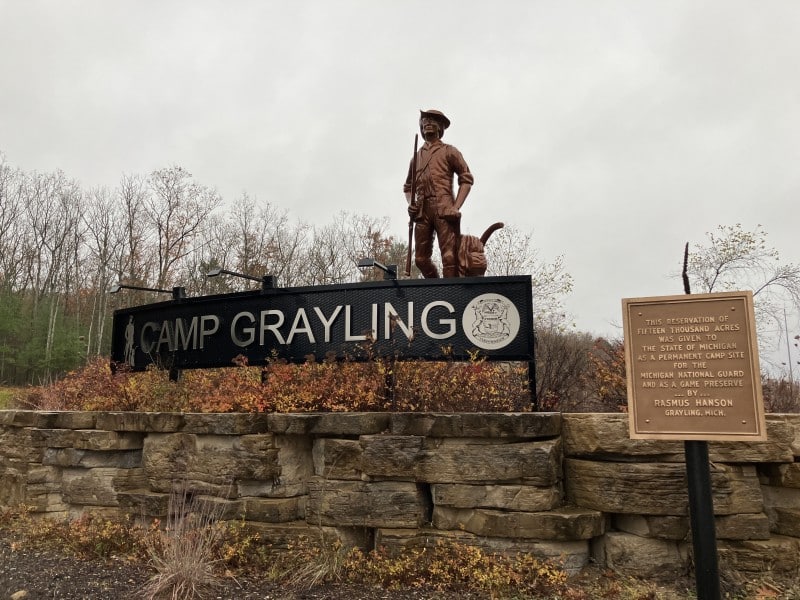
Hunters shut out as drone program closes parts of Camp Grayling
The Michigan Army National Guard is temporarily closing over 21,600 acres of Camp Grayling from Nov. 7 to 22 so soldiers can evaluate combat drones for the Department of Defense’s $1 billion Drone Dominance initiative.
The Giving Tree
A brief conversation about chestnut trees sends a hospice nurse down a rabbit hole that changes his life.
Chasing Ice: Unpredictable trail and big crowds await racers at the annual Iceman Cometh
Driven by a vibrant community spirit and an unpredictable course, the annual Iceman Cometh Challenge brings over 16,000 visitors to Traverse City.