
How ‘bout them apples?
On a remote island in Lake Michigan, some old apple trees could have very rare, ever-before-discovered genes. And if they do, they could join the U.S. stockpile of apples poised to fight off future threats.
Editor’s note: Rural Innovation Exchange has partnered with Interlochen Public Radio to share occasional news coverage in rural Northern Michigan.
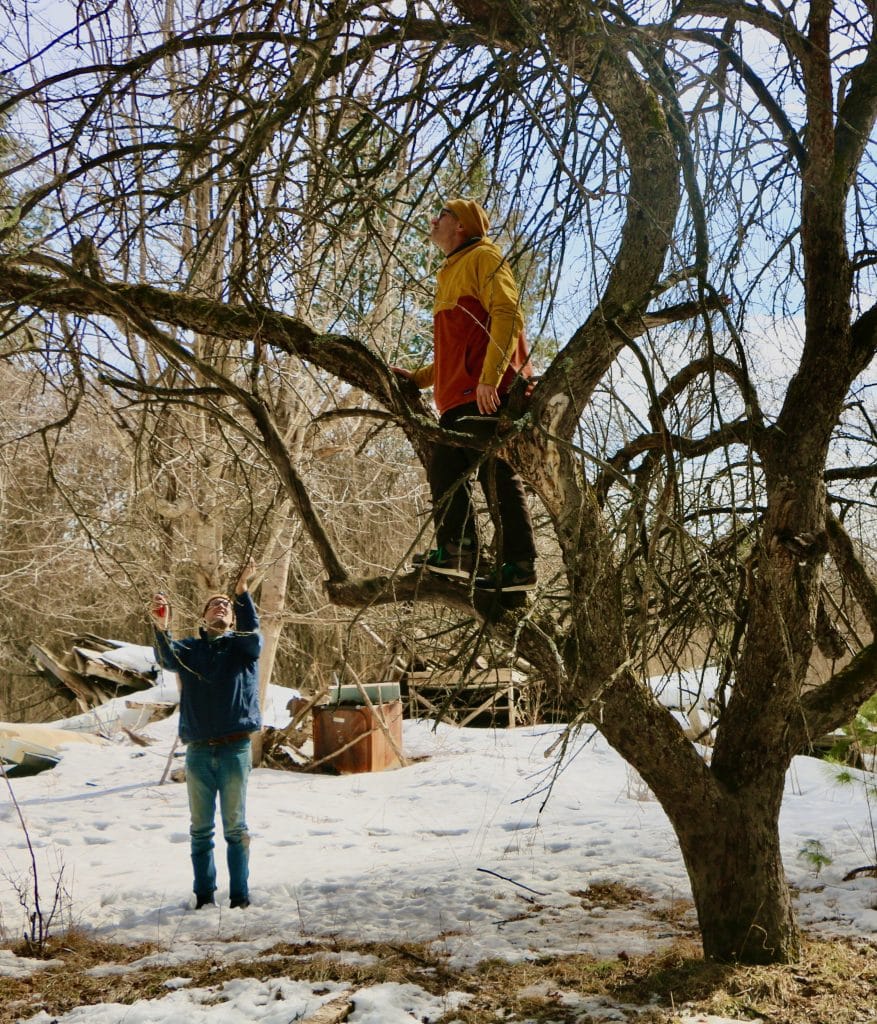
Luke Marion is on Beaver Island in Lake Michigan looking for apple trees. It’s a sunny day in March, kind of coldish with snow on the ground. When Marion finds a tree, he takes out a pair of pruners and cuts last year’s growth off the branches. Then he puts the cuttings in a carefully marked bag and into a cooler, where they will stay dormant.
There’s a chance these particular apple trees could be very rare. Beaver Island is remote. It’s 32 miles off mainland Michigan. That means these apples have possibly never bred with varieties on the mainland, which in turn means they could have genetics that have not yet been documented in apples in the U.S.
And that’s saying something.
The U.S. has the largest collection of apples in the world – about 5,000 varieties, some of them dating back to ancient Rome. We keep so many varieties because we could need them as a safeguard. There are all these threats to apples – and the food supply in general: climate change, biological threats, bacterial disease, industrialization, preference changes, pesticides, pathogen systems and human mistakes, among others. But one key way to fight these threats is through genetic
resistance. Genetic resistance requires genetic diversity. So we stockpile thousands of apple varieties.
But scientists are always on the hunt for new varieties, and these Beaver
Island apples could be an answer to a future problem.
To hear the whole story, go to How ‘Bout Them Apples on Points North. Points North is also available on Spotify.
Related Articles
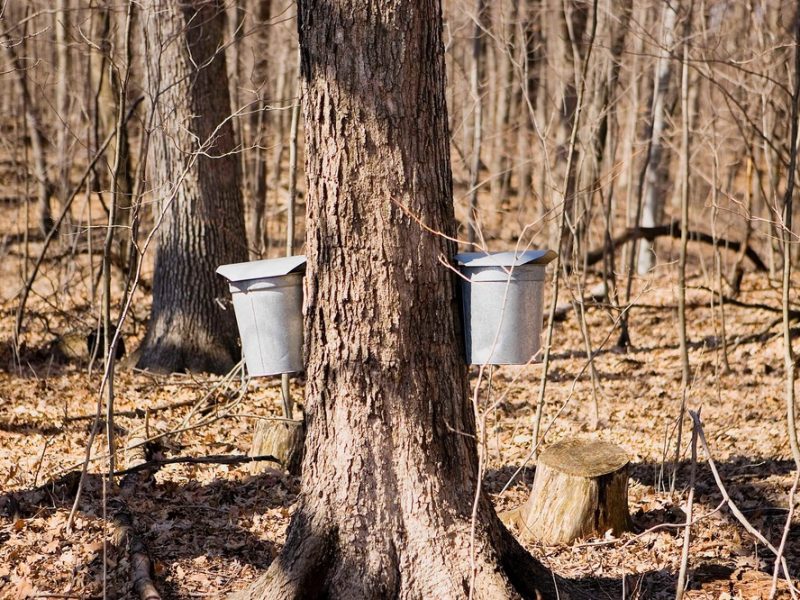
From Forest to Pharmacy: Researchers explore maple sap as a lifeline for cancer survivors
Researchers in Michigan and beyond are looking into potential health applications for maple sap.
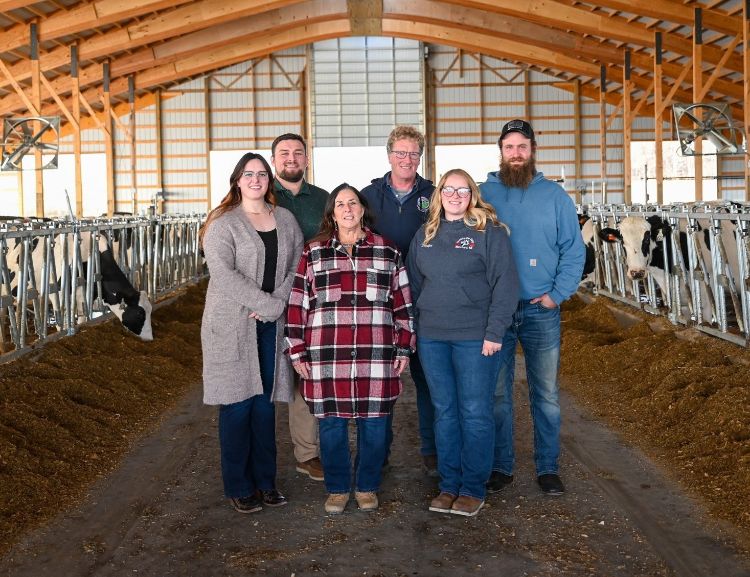
MSU Names De Grins Oer Dairy 2026 Dairy Farm of the Year
The award recognizes farms that demonstrate excellence in management, innovation and leadership within Michigan’s dairy industry.

The Art of the Harvest: Cultivating community through farming and creativity
Traverse City-based Crosshatch has been working since 2005 to create thriving rural communities rooted in vibrant culture and strong farming economies.