Summer jobs help young people with disabilities develop employment skills
Paid summer jobs give students with disabilities chances to explore tasks, practice skills, and gain independence.
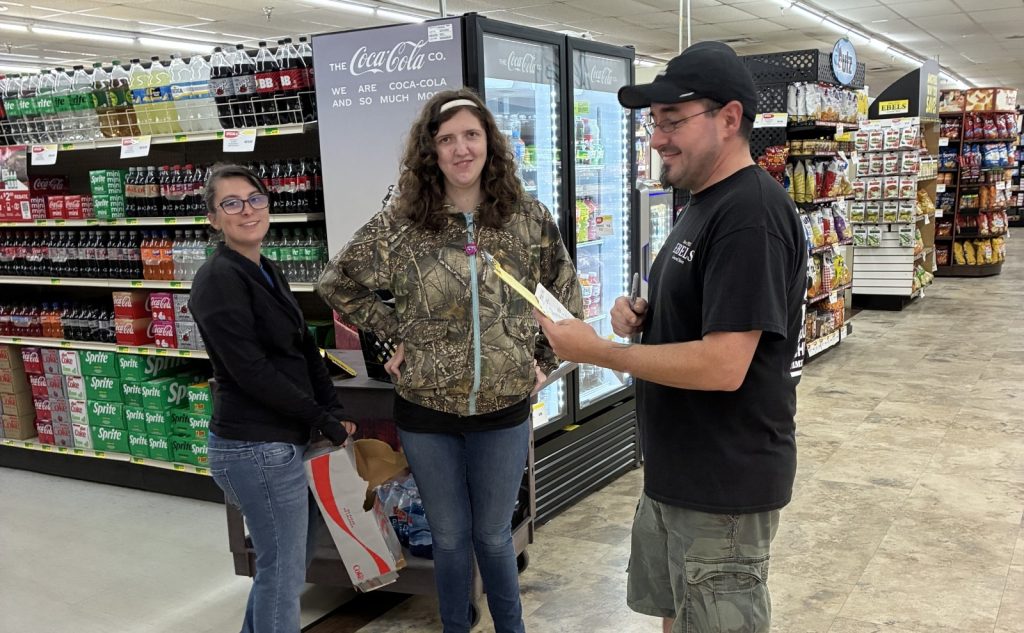
Emma Newsome knew stocking shelves wasn’t working for her.
“It was just too difficult for me, and I felt like it wasn’t a good fit,” she says.
Speaking up helped the 19-year-old find a different role at Ebels General Store in Evart. She moved to the deli, where she washed dishes, broke down boxes, and helped with the food cases.
“It was so much easier and not as complicated,” Newsome says.
Newsome participated in the Michigan Rehabilitation Services Summer Work Experience, a summer job program for young people with disabilities. Participants tried new tasks, developed work skills, and learned to solve problems and make independent decisions at work.
The program placed students at Ebels stores in Reed City and Evart. Each store has several departments where participants could explore different tasks.
Leslie Zimmerman, an employment specialist with Disability Network West Michigan, worked with students and store staff to find tasks that fit each participant. Finding the right approach often took several tries, Zimmerman says, as students switched departments, used pocket checklists, and practiced greeting customers during the eight-week program.
Michigan Rehabilitation Services paid students’ wages and funded job coaching through Disability Network West Michigan, she says.
Workplace basics
Zimmerman coached three students at the Evart store four days a week.
Students stocked shelves and helped shoppers locate products. They also learned about managing their time, arriving on time, arranging transportation to work, and following workplace rules.
Zimmerman explained how to read their paychecks, why money was withheld, and when they would get paid.
She also guided students in figuring out what was difficult and how to ask for support.
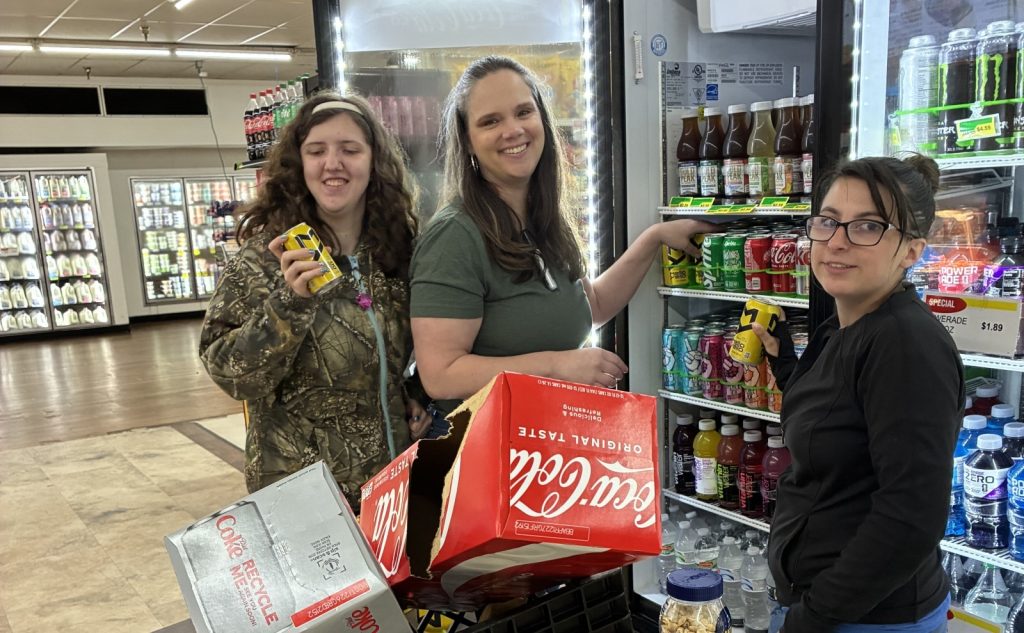
“What can we do to make this easier for you?” Zimmerman would ask.
Each student needed a different approach. A task that suited one could be hard for another. Sometimes, breaking a job into smaller steps or trying a new routine made it easier.
Newsome had worked at a summer camp before joining the Ebels program. At the store, she enjoyed talking with customers and employees.
She also valued Zimmerman’s support.
“Leslie is super sweet, super kind,” Newsome says.
Together, they created lists to organize her duties. By the end of the program, Newsome had memorized her deli tasks, Zimmerman says. When she finished an assignment, she learned to check the store task list for her next job instead of asking Zimmerman what to do next.
“It was so much more helpful to keep myself on track and others on track,” Newsome says.
Punctuality took more practice. Zimmerman says they tried several approaches before developing a checklist to track when Newsome started and stopped work. Zimmerman checked the list with her to build a daily habit. Newsome says she also set an alarm to stay on time.
Newsome also became more comfortable receiving feedback. At first, hearing that she needed to improve could be difficult. Zimmerman explained how feedback could help her learn.
“It got easier when I started actually getting the whole idea of how everything worked, and that it wasn’t just me,” Newsome says.
The job brought social connections as well, and she made a friend. She’s considering working at the store again.
Developing skills
While Newsome wasn’t comfortable stocking shelves, another student, Jaidyn Brotherton, liked the task’s steady routine and enjoyed moving items to the front of shelves and keeping them neat.
Grocery stocker Jim Stone showed the students how to stock shelves, helped them learn where products belonged, and answered their questions. Zimmerman guided them as they practiced, organized products, and found ways to get more done in less time.
At first, Brotherton had difficulty remembering the steps. Then she started keeping a small list in her pocket that told her what to do next, checking it instead of asking for help each time. Brotherton eventually learned the stocking steps by heart and no longer needed the checklist, Zimmerman says.
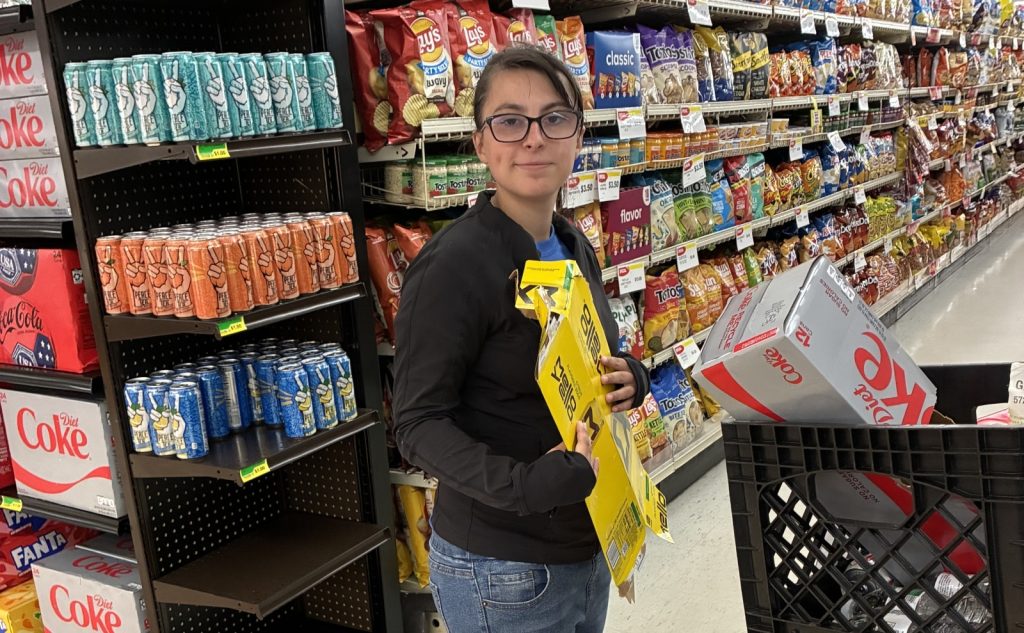
As she became familiar with the store, she learned to group products and prioritize tasks on delivery days, increasing the amount of work she completed. Learning where products belonged also helped her answer customers’ questions.
Brotherton also got better at greeting and talking to strangers. At the start of the program, she gave herself a score of 1 out of 5 for that skill, Zimmerman says, because she worried a greeting would lead to a longer conversation she might find difficult.
Talking with store employees helped her understand what those exchanges typically involved.
She practiced greeting co-workers and then customers. Employees told Zimmerman when they noticed her initiating those interactions. Zimmerman also noticed Brotherton greeting people more often and becoming more comfortable at work.
At the end of the summer, Brotherton rated her communication skills a 5 out of 5.
Organizational aids
Checklists helped students finish tasks and decide what to do next.
At first, students frequently turned to Zimmerman for direction. She gradually shifted from providing answers to prompting them to consult the store task list posted in the break room.
“It was recognizing when they didn’t have anything to do on the floor to go back and check the list back in the break room and start developing those independent skills,” she says.
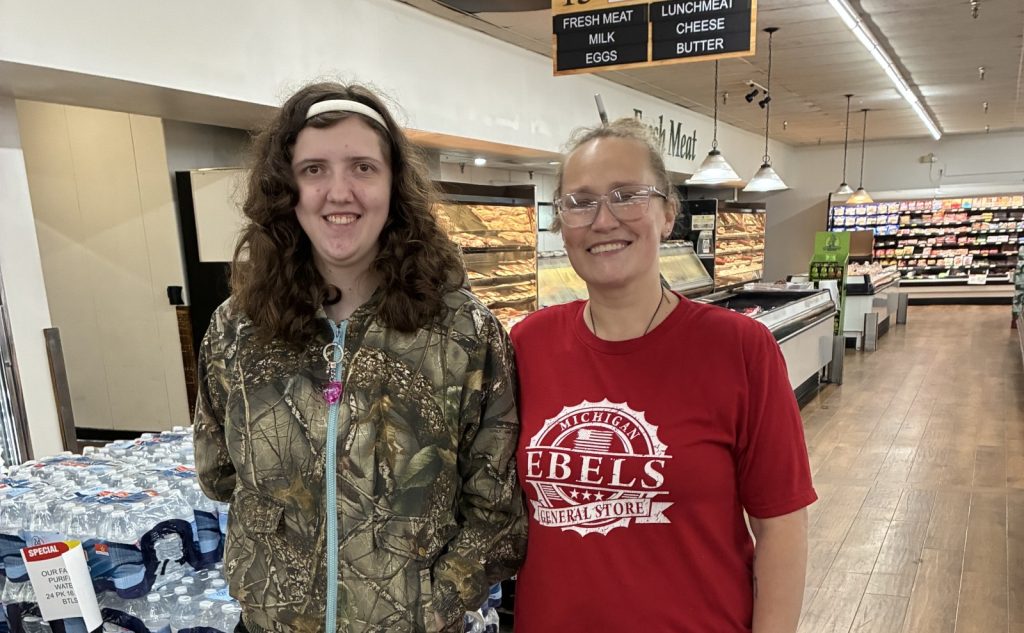
That shift took time. Zimmerman says students began checking the list more consistently around the sixth week. By the end of the eight-week program, each was working independently on assigned tasks, she says.
Zimmerman used weekly evaluations to track progress. Some employees were initially reluctant to point out problems, she says. She explained that specific feedback would help her identify barriers and work with students on solutions.
She also kept managers updated on what students were practicing so they could watch for progress.
The students’ work also helped meet staffing needs, store manager Deanna Miscikoski says.
“We enjoyed working with them and looked forward to seeing them every day,” she says. “They did a great job.”
The summer jobs program offers lessons for other workplaces: Ask students what is difficult, give them tools they can use on their own, and explore tasks that fit their strengths.
Zimmerman says the goal was for students to recognize when to ask for help and when they could take the next step by themselves.
“And I’m telling you, it is huge when they go do that on their own,” she says.
Photos by Leslie Zimmerman
Related Articles

Tailored internships open career pathways for students with disabilities
Serving five West Michigan counties, Disability Network West Michigan tailors internships to students’ goals, helping one aspiring social worker build skills and confidence

The lifelong resident helping shape how people experience Mt. Pleasant
Lifelong Mt. Pleasant resident Cassandra Chippeway uses storytelling, personal connection, and cultural understanding to showcase the people and experiences that define Mt. Pleasant.